


How to relieve ear pain caused by "shang huo" (excessive internal heat)
Nov 27, 2025
Source: Cainiu Health

Dr. Sun Lianqing
Introduction
Ear pain caused by "heatiness" can generally be relieved through methods such as drinking heat-clearing beverages, applying warm compresses to the ear area, keeping the ear canal dry, adjusting diet, and maintaining regular sleep patterns. Choose beverages with heat-clearing properties, such as chrysanthemum tea, honeysuckle tea, or mung bean soup, and drink them in moderation daily to help clear internal heat and reduce the body's overheated state caused by "heatiness."
Ear pain caused by "heatiness" (internal heat) can generally be relieved through drinking cooling beverages, applying local heat to the ear, keeping the ear canal dry, adjusting diet, and maintaining regular作息 and rest. Specific methods are as follows:
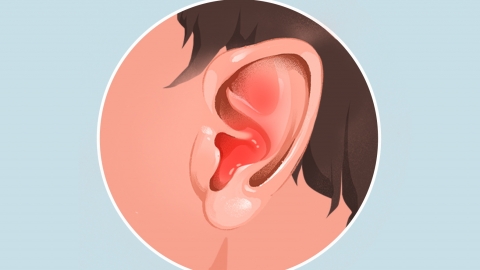
1. Drink cooling beverages: Choose beverages known for clearing internal heat, such as chrysanthemum tea, honeysuckle tea, or mung bean soup. Drinking these in moderation each day helps clear internal heat and reduce the body's overheated state caused by "heatiness," thereby indirectly alleviating ear inflammation and pain.
2. Local heat application to the ear: Wrap a warm hot-water bottle or warm towel in a clean cloth and apply it to the outer side of the painful ear. Apply heat for 15–20 minutes per session, 2–3 times daily. The warmth improves blood circulation around the ear, relaxes local tissues, and reduces pain caused by inflammation.
3. Keep the ear canal dry: Avoid getting water into the ears. When washing your face or hair, use earplugs or gently place clean cotton balls at the ear opening to prevent contaminated water from entering the ear canal and worsening inflammation. Also, avoid using sharp objects to clean the ears, which may damage the ear canal mucosa and increase the risk of intensified pain.
4. Adjust diet: Reduce intake of spicy, greasy, and fried foods, and avoid tobacco and alcohol, which can aggravate symptoms. Increase consumption of light, easily digestible foods such as fresh vegetables and fruits to help regulate the body’s condition, reduce "heatiness," and assist in relieving ear pain.
5. Maintain regular作息 and rest: Ensure adequate sleep and avoid staying up late or overexertion so the body can fully rest. A consistent routine enhances the body’s self-regulation ability, helping to relieve discomfort caused by "heatiness" and promoting recovery from ear inflammation and pain.
If ear pain persists for more than two days, or if symptoms such as hearing loss, ear discharge, or fever occur, seek medical attention promptly. During the relief period, closely monitor changes in symptoms and avoid self-medicating to prevent delayed diagnosis and treatment.




