


How to Prevent Otitis Media in Young Children
Nov 27, 2025
Source: Cainiu Health

Dr. Lu Cheng
Introduction
Preventing otitis media in young children should focus on reducing factors that trigger ear infections and protecting ear health. This can generally be achieved through proper nasal care, avoiding exposure of the ears to contaminated water, maintaining appropriate feeding positions, preventing respiratory infections, and avoiding ear trauma. When a young child has excessive nasal discharge, physiological saline drops or sprays can be used, followed by gently cleaning nasal secretions from the outer part of the nostrils with a soft cotton swab.
To prevent otitis media in young children, efforts should focus on reducing risk factors for ear infections and protecting ear health. This can be achieved through proper nasal care, preventing water from entering the ears, maintaining appropriate feeding positions, preventing respiratory infections, and avoiding ear injuries. Specific measures are as follows:
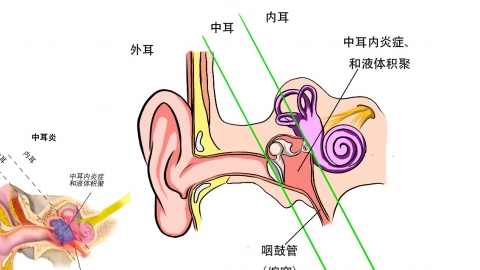
1. Proper nasal care: When young children have excessive nasal secretions, use saline drops or sprays to moisten the nose, then gently clean external nasal discharge with a soft cotton swab. Avoid forceful nose-picking or excessive wiping, which may spread nasal inflammation to the Eustachian tube and lead to ear infection.
2. Preventing water from entering the ears: During bathing or hair washing, use specialized waterproof ear covers or place clean cotton balls lightly at the ear canal opening (avoid inserting too deeply). Remove the cotton balls promptly after washing and dry the area around the ears thoroughly to prevent contaminated water from entering the ear canal and promoting bacterial growth.
3. Appropriate feeding position: Avoid feeding infants while they are lying flat. Instead, use a semi-upright or 45-degree inclined position during feeding. Burp the infant promptly after feeding to prevent milk regurgitation into the Eustachian tube, thereby reducing the risk of otitis media caused by milk aspiration.
4. Preventing respiratory infections: Dress children appropriately according to weather changes, and avoid crowded or poorly ventilated areas to reduce the likelihood of catching colds, influenza, and other respiratory illnesses. Respiratory infections can easily spread to the ears via the Eustachian tube, triggering otitis media.
5. Avoiding ear trauma: Choose toys with smooth, rounded edges and no sharp corners for young children, and discourage them from poking their ears with toys or fingers. Handle children gently when dressing or undressing to avoid pulling or bumping the ears, thus protecting the integrity of the ear canal and eardrum and minimizing the chance of infection.
Regularly monitor your child's ear condition. If you notice frequent ear scratching, irritability, delayed hearing responses, or abnormal discharge around the ears, seek medical evaluation promptly.



