


What causes sudden buzzing in the left ear, and what should be done about it?
Nov 27, 2025
Source: Cainiu Health

Dr. Lu Cheng
Introduction
In general, sudden buzzing in the left ear may be caused by factors such as sudden noise exposure, excessive mental stress, earwax blockage in the external auditory canal, sudden sensorineural hearing loss, or acoustic neuroma. It is recommended to seek medical attention promptly, identify the underlying cause, and then improve the condition through general management, medication, or other treatments under a doctor's guidance. In daily life, avoid prolonged use of headphones and keep the volume within a safe range.
Generally, sudden buzzing in the left ear may be caused by factors such as sudden noise exposure, excessive mental stress, cerumen impaction in the external auditory canal, sudden sensorineural hearing loss, or acoustic neuroma. It is recommended to seek medical attention promptly, identify the underlying cause, and then improve symptoms under a doctor's guidance through general management, medication, or other treatments. A detailed analysis is as follows:
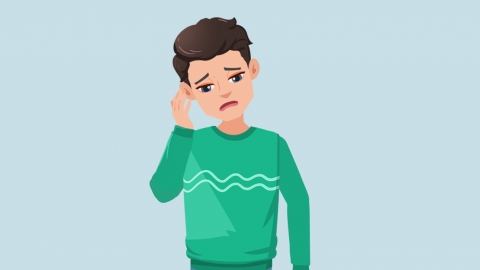
1. Sudden noise exposure: Loud noises such as firecrackers or horns can stimulate the cochlear hair cells, causing temporary buzzing in the left ear, often accompanied by a feeling of ear fullness. Immediately leave the noisy environment and rest in a quiet place. Gently press and release the opening of the external ear canal with both hands to promote blood circulation in the ear; symptoms usually subside within a few hours.
2. Excessive mental stress: Long-term anxiety and sleep deprivation can lead to nervous system dysfunction, causing abnormal excitation of the auditory nerves and resulting in tinnitus. Maintain regular sleep habits and avoid staying up late. Practice 15 minutes of deep breathing or meditation daily, and increase dietary intake of foods rich in B vitamins—such as milk and nuts—to help regulate nervous system function.
3. Cerumen impaction: Accumulated earwax in the ear canal can form a blockage that presses on the eardrum, causing buzzing and possibly mild hearing loss. Seek medical care for removal using a cerumen hook. If the wax is hard, follow your doctor’s instructions to use medications such as sodium bicarbonate ear drops, hydrogen peroxide solution, or ofloxacin ear drops to soften the wax before removal.
4. Sudden sensorineural hearing loss: Impaired blood flow to the inner ear or viral infection may cause sudden hearing loss accompanied by prominent tinnitus. Patients should take medications as prescribed, such as ginkgo biloba extract tablets, mecobalamin tablets, or methylprednisolone tablets, along with hyperbaric oxygen therapy to improve oxygen supply to the inner ear.
5. Acoustic neuroma: A tumor formed by abnormal growth of the auditory nerve compresses the auditory pathway, leading to persistent tinnitus and progressive hearing loss over time. Surgical removal of the acoustic neuroma is required to relieve the compression and preserve hearing function as much as possible.
In daily life, avoid prolonged headphone use and keep volume levels within a safe range. Stay away from ototoxic drugs such as gentamicin and streptomycin. When experiencing tinnitus, avoid excessive focus on the sound to reduce psychological burden, which may help alleviate symptoms.



