


How to treat chronic pharyngitis for a complete cure
Nov 27, 2025
Source: Cainiu Health

Dr. Lu Cheng
Introduction
In general, the main methods for thoroughly treating chronic pharyngitis include eliminating the underlying cause, medication, physical therapy, lifestyle adjustments, and traditional Chinese medicine. In addition, patients should adhere to standardized treatment as prescribed by their doctor and must not discontinue medication once symptoms improve. Regular follow-up examinations are necessary to monitor recovery progress; if abnormalities such as increased throat pain or difficulty swallowing occur, medical attention should be sought promptly.
In general, the main methods for thoroughly treating chronic pharyngitis include addressing the underlying causes, medication, physical therapy, lifestyle adjustments, and traditional Chinese medicine (TCM). A detailed analysis is as follows:
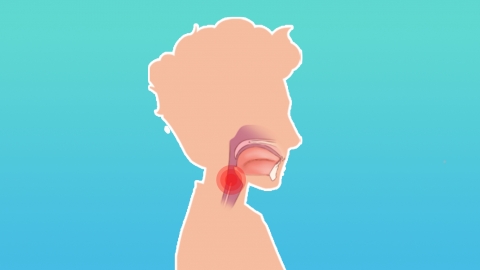
1. Treatment of Underlying Causes
Chronic pharyngitis is often triggered by irritants such as secretions from rhinitis or sinusitis, gastroesophageal reflux, or prolonged voice overuse. Identifying and specifically managing the root cause is key to achieving a complete cure. Patients with rhinitis should actively treat nasal conditions to reduce postnasal drip; those with gastroesophageal reflux should adjust their diet to prevent acid reflux and, if necessary, receive treatment for the primary condition. Individuals who frequently use their voices, such as teachers, should learn proper vocal techniques to avoid excessive strain on the vocal cords.
2. Medication
For cases caused by bacterial infection, antibiotics such as amoxicillin capsules or cefuroxime axetil tablets may be prescribed under medical guidance. For significant throat dryness, compound borax mouthwash or compound chlorhexidine mouthwash can help clean the pharynx. For severe foreign body sensation in the throat, traditional Chinese patent medicines such as Citrus and Plum Lozenges or Jinsheng Liyan Pills may be used to reduce mucosal inflammation and relieve discomfort.
3. Physical Therapy
Commonly used methods include laser therapy and low-temperature plasma therapy. Laser therapy targets hyperplastic mucosal tissue in the pharynx, removing diseased tissue. Low-temperature plasma therapy precisely ablates inflammatory lesions, reduces mucosal edema, promotes mucosal repair, improves symptoms such as dryness and foreign body sensation, and lowers the risk of recurrence.
4. Lifestyle Adjustments
Daily habits should include quitting smoking and alcohol consumption, avoiding spicy and irritating foods, and minimizing irritation to the pharyngeal mucosa. Drinking plenty of warm water helps maintain moisture in the throat. Maintaining regular sleep patterns and avoiding staying up late can enhance overall immunity. Good oral hygiene is also important—rinsing the mouth after meals reduces bacterial growth and creates a favorable environment for pharyngeal healing.
5. Traditional Chinese Medicine (TCM)
According to TCM, chronic pharyngitis is associated with yin deficiency with internal heat and phlegm-dampness obstruction. Treatments typically involve using herbs that nourish yin, clear heat, resolve phlegm, and soothe the throat, such as Zhibai Dihuang Pills or Liyanling Tablets. Acupuncture at points like Hegu (LI4) and Quchi (LI11) can regulate qi and blood flow, alleviate throat discomfort, and support long-term therapeutic effects.
In addition, patients must adhere to standardized treatment regimens as directed by their physicians and should not discontinue medication once symptoms improve. Regular follow-up visits are essential to monitor recovery progress. If symptoms such as worsening throat pain or difficulty swallowing occur, prompt medical consultation is needed to adjust the treatment plan. Patients with hyperthyroidism or hypothyroidism should inform their doctors about their underlying conditions when being treated for pharyngitis to avoid potential drug interactions.



