


What should I do if my vocal cords are damaged and my voice becomes hoarse due to excessive voice use?

Under normal circumstances, voice overuse leading to vocal cord damage and hoarseness may be caused by prolonged loud speaking, incorrect phonation methods increasing strain, acute laryngitis episodes, vocal cord nodules, or vocal polyp formation. It is recommended to seek medical attention promptly, identify the underlying cause, and follow a doctor’s guidance for improvement through general management, medication, and other treatments. Specific causes are analyzed as follows:
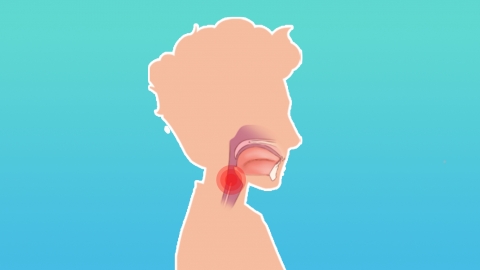
1. Prolonged loud speaking: Individuals such as teachers and broadcasters who frequently speak loudly over long periods may experience repeated friction, congestion, and swelling of the vocal mucosa, resulting in abnormal vibration and hoarseness. Immediate absolute voice rest is required—avoid whispering or throat clearing—and perform warm saltwater gargling twice daily.
2. Incorrect phonation technique increasing strain: Habitual shouting or speaking with an excessively high pitch can lead to uneven stress on the vocal cords, causing local mucosal injury and hoarseness. Enroll in professional voice training courses to correct habits, keep the larynx relaxed while speaking, and reduce vocal cord irritation.
3. Acute laryngitis episode: After excessive voice use, decreased immunity allows viral or bacterial invasion, triggering acute inflammation of the vocal cords. The mucosa becomes red, swollen, and thickened, resulting in sudden and significant hoarseness. Patients should follow medical advice to use medications such as budesonide suspension, Huangshi Xiangsheng Pills, or Jinshang Sanjie Pills to accelerate resolution of inflammation.
4. Vocal cord nodule formation: Long-term improper voice use leads to small, grain-sized nodules forming at the edges of the vocal cords, interfering with normal vibration during speech and causing persistent, progressively worsening hoarseness. In early stages, treatment may include voice rest combined with medications such as Jinshang Kaiyin Pills, Ganju Bingmei Tablets, and cefaclor sustained-release tablets.
5. Vocal polyp formation: Excessive growth of the vocal mucosa results in pedunculated or broad-based polyps that occupy space needed for vocal cord vibration, leading to severe hoarseness or even difficulty producing sound. Prompt medical evaluation and surgical removal via microlaryngoscopy (e.g., suspension laryngoscopy) are necessary to completely excise the polyp.
In daily life, avoid spicy, fried, and excessively hot foods; increase intake of vitamin-rich fruits and vegetables such as apples and pears. Maintain appropriate indoor humidity to prevent dry environments from irritating the vocal cords. With scientific care and standardized treatment, vocal cord function can recover effectively, reducing recurrence of hoarseness.


