


How to manage chronic pharyngitis
Nov 28, 2025
Source: Cainiu Health

Dr. Lu Cheng
Introduction
In general, chronic pharyngitis may be caused by factors such as prolonged overuse of the voice, repeated environmental irritation, untreated acute pharyngitis, allergic rhinitis, or laryngopharyngeal reflux. It is recommended to seek medical attention promptly, identify the underlying cause, and then improve symptoms through daily self-care and medication under a doctor's guidance. In daily diet, avoid spicy and excessively hot foods, and consume more throat-soothing foods such as pears and white fungus (silver ear).
Chronic pharyngitis is generally caused by factors such as prolonged vocal strain, repeated environmental irritation, untreated acute pharyngitis, allergic rhinitis, or reflux laryngopharyngitis. It is recommended to seek medical attention promptly, identify the underlying cause, and then improve symptoms under a doctor's guidance through daily lifestyle adjustments and medication. Specific causes are analyzed as follows:
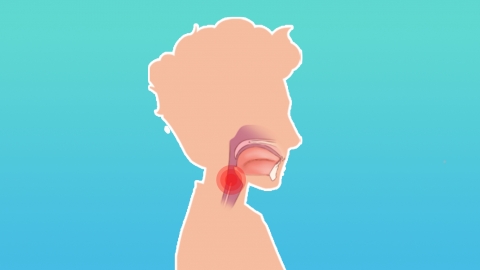
1. Prolonged vocal strain: People such as teachers and broadcasters who frequently speak loudly may suffer continuous mucosal strain and damage in the throat, leading to chronic inflammation. Adjust speaking techniques, avoid shouting, rest the voice for 10 minutes after every 40 minutes of use, and regularly drink warm or cool honey water to soothe the throat.
2. Repeated environmental irritation: Long-term exposure to dust, cooking fumes, or dry environments can damage the protective barrier of the throat mucosa, causing recurrent inflammation. Use a humidifier indoors to maintain humidity between 50% and 60%, wear a dust mask when outdoors, and avoid prolonged contact with irritants such as kitchen smoke.
3. Untreated acute pharyngitis: If acute pharyngitis is not fully cured, residual bacteria or viruses may repeatedly irritate the throat, turning it into chronic inflammation, often accompanied by a sensation of a foreign body in the throat. Patients may use medications such as Qingyan Drop Pills, Yinhuang Throat Lozenges, or Compound Borax Mouthwash as directed by a physician, and regularly drink Luo Han Guo (monk fruit) tea.
4. Allergic rhinitis-induced: During episodes of rhinitis, secretions drain backward into the throat, continuously irritating the mucosa and causing inflammation, often accompanied by nasal itching and runny nose. Patients should follow medical advice to use medications such as Cetirizine Hydrochloride Tablets, Budesonide Nasal Spray, or Montelukast Sodium Tablets to control rhinitis and reduce irritation from secretions.
5. Reflux laryngopharyngitis: Stomach acid reflux can erode the throat mucosa, causing chronic inflammation, often accompanied by acid regurgitation and heartburn. Patients may take medications such as Omeprazole Enteric-coated Capsules, Domperidone Tablets, or Hydrotalcite Chewable Tablets as prescribed. Avoid eating within two hours before bedtime and elevate the head of the bed by 15 cm during sleep.
In daily life, avoid spicy and excessively hot foods, and consume more throat-soothing foods such as pears and white fungus (silver ear). Develop the habit of rinsing the mouth after meals to maintain oral hygiene. Maintain regular sleep patterns, avoid staying up late, exercise moderately to boost immunity, and reduce the frequency of acute pharyngitis episodes.



