


What causes frequent nosebleeds?
Nov 27, 2025
Source: Cainiu Health

Dr. Lu Cheng
Introduction
In general, frequent nosebleeds may be caused by dry nasal passages, nose-picking habits, allergic rhinitis, deviated nasal septum, thrombocytopenia, or other reasons. If discomfort symptoms occur, it is recommended to seek timely medical evaluation and treatment at a正规 hospital. In daily life, maintain moist nasal passages to prevent dryness, and avoid strenuous exercise and nasal trauma.
Generally, frequent nosebleeds may be caused by factors such as dry nasal passages, habitual nose picking, allergic rhinitis, deviated nasal septum, or thrombocytopenia. If discomfort occurs, it is recommended to seek timely medical evaluation and treatment at a reputable hospital. Specific causes are analyzed as follows:
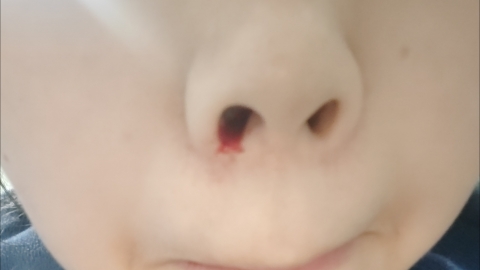
1. Dry Nasal Passages
Dry air or insufficient fluid intake can lead to dehydration of the nasal mucosa, making it fragile and prone to capillary rupture and bleeding—especially common during the fall and winter seasons. Use saline nasal sprays to moisten the nasal cavity, place a humidifier indoors to maintain proper humidity, and drink sufficient warm water daily to stay hydrated.
2. Nose Picking Habit
Frequent digging of the nose with fingers or tools can scratch and injure the nasal mucosa. Repeated irritation leads to mucosal damage that is slow to heal, increasing the risk of recurrent bleeding. Completely eliminate the habit of nose picking, keep fingernails trimmed and smooth, and when nosebleeds occur, lean forward and pinch the nostrils to stop the bleeding—avoid tilting the head backward.
3. Allergic Rhinitis
Exposure to allergens such as pollen or dust mites can trigger rhinitis, causing nasal mucosal congestion and swelling. The mucosa may easily break and bleed when sneezing or rubbing the nose. Medications such as cetirizine hydrochloride tablets, budesonide nasal spray, or montelukast sodium chewable tablets may be used under medical guidance. Once identified, avoid contact with known allergens.
4. Deviated Nasal Septum
A nasal septum that is deviated to one side often has thin mucosa with rich blood supply at the curved area, making it susceptible to irritation and bleeding—typically resulting in one-sided nosebleeds. Under medical supervision, menthol oil nasal drops, cefuroxime axetil tablets, and vitamin C supplements may be used. For recurrent bleeding, surgical correction of the deviated septum may be necessary.
5. Thrombocytopenia
Reduced platelet count impairs blood clotting, leading to nosebleeds even from minor stimuli, with prolonged and difficult-to-control bleeding. Treatments may include recombinant human thrombopoietin injection, tranexamic acid tablets, or etamsylate injection, as directed by a physician. In severe cases, platelet transfusion may be required.
In daily life, maintain moist nasal passages to prevent dryness; avoid strenuous exercise and nasal trauma; eat a light diet and consume more foods rich in vitamins. If frequent nosebleeds occur, especially accompanied by dizziness or fatigue, seek prompt medical attention to evaluate coagulation function and nasal structural issues.


