


Why is my nose congested at night but normal during the day, and what should I do about it?
Nov 27, 2025
Source: Cainiu Health

Dr. Lu Cheng
Introduction
Nasal congestion at night with normal breathing during the day may be caused by improper sleeping posture, dry indoor air, allergic rhinitis, chronic rhinitis, or sinusitis. This can be improved by adjusting sleeping posture, humidifying the air, or using medication. If nasal congestion progressively worsens or is accompanied by headache or runny nose, prompt medical attention is needed. When lying flat at night, the head position is lower than
Nasal congestion at night with normal breathing during the day may be caused by improper sleeping posture, dry indoor air, allergic rhinitis, chronic rhinitis, or sinusitis. Symptoms can be improved by adjusting sleeping position, humidifying the air, or medication. If nasal congestion persists or worsens, or is accompanied by headache and runny nose, medical attention should be sought promptly.
1. Improper sleeping posture: When lying flat at night, the head is positioned lower, which can cause nasal secretions to accumulate and block the airway. Symptoms often improve when lying on one's side. It is recommended to sleep in a lateral position and elevate the head by 10–15 cm to reduce mucus buildup.
2. Dry indoor air: Low humidity in enclosed rooms at night can dry out and irritate nasal mucosa, leading to congestion. Use a humidifier to maintain indoor humidity between 50% and 60%, and use a saline nasal spray before bedtime to moisten the nasal passages.
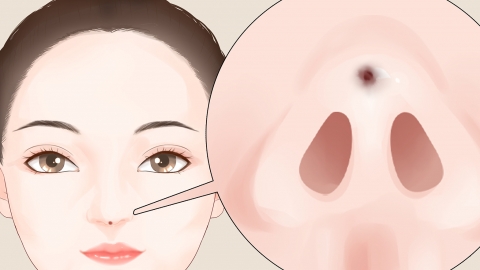
3. Allergic rhinitis: Exposure to allergens such as dust mites or bedding fibers can trigger swelling of the nasal mucosa, with more pronounced symptoms at night, often accompanied by sneezing and clear nasal discharge. Under medical guidance, medications such as mometasone furoate nasal spray, loratadine syrup, or montelukast sodium chewable tablets may be used to relieve symptoms.
4. Chronic rhinitis: Long-term inflammation of the nasal mucosa leads to swelling and congestion, which worsens at night due to slower blood circulation and improves during daytime activity. Under a doctor’s supervision, patients may use budesonide nasal spray, oxymetazoline hydrochloride spray, or traditional Chinese medicine such as Biyuan Tongqiao Granules to alleviate discomfort.
5. Sinusitis: Bacterial infection causes inflammation in the sinuses; pus accumulates at night, irritating the nasal passages and causing congestion, along with thick yellow or green nasal discharge and a feeling of pressure or pain in the head. As directed by a physician, medications such as cefaclor dry suspension, fluticasone furoate nasal spray, or Sinusitis Oral Liquid may help improve symptoms.
Maintain clean indoor environments, regularly change bedding, avoid allergens, rinse nasal passages with warm water before bedtime, follow a light diet avoiding spicy and irritating foods, and engage in moderate exercise to strengthen immunity and reduce episodes of nasal congestion.




