What should I do if I have an allergic rhinitis flare-up during preconception?
Nov 27, 2025
Source: Cainiu Health

Dr. Zhang Lu
Introduction
In general, during the preconception period, allergic rhinitis may recur due to immune fluctuations, exposure to allergens, acute episodes of allergic rhinitis, allergic rhinitis complicated by acute rhinitis, or allergic rhinitis accompanied by nasal polyps. It is recommended to seek medical attention promptly, identify the underlying cause, and then improve symptoms through general management, medication, or other treatments under a doctor's guidance.
Generally, during the preconception period, allergic rhinitis flare-ups may be caused by immune fluctuations, exposure to allergens, acute episodes of allergic rhinitis, allergic rhinitis complicated by acute rhinitis, or allergic rhinitis accompanied by nasal polyps. It is recommended to seek medical attention promptly, identify the underlying cause, and improve symptoms under a doctor's guidance through general management, medication, and other treatments. Specific causes are analyzed as follows:
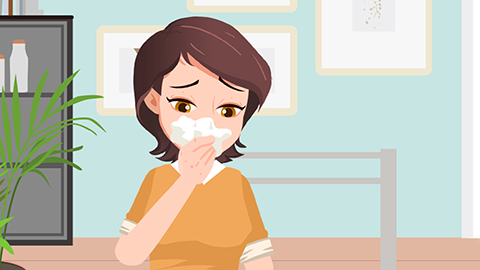
1. Immune fluctuations: During the preconception phase, the body undergoes adjustment, leading to immune system fluctuations and weakened barrier function, making it more susceptible to allergens that trigger rhinitis. Maintain regular sleep patterns and avoid staying up late; perform 30 minutes of mild daily exercise such as yoga to stabilize immune function.
2. Exposure to allergens: Inhaling dust mites, pollen, or coming into contact with pet dander can irritate the nasal mucosa and provoke allergic reactions, resulting in symptoms like sneezing and runny nose. Regularly clean bedding using a mite vacuum, and reduce outdoor activities during pollen season.
3. Acute exacerbation of allergic rhinitis: Persistent allergen stimulation leads to nasal mucosal congestion and edema, causing sudden worsening of symptoms. Follow your doctor’s instructions to use medications such as cetirizine hydrochloride tablets, fexofenadine hydrochloride tablets, or loratadine syrup.
4. Allergic rhinitis complicated by acute rhinitis: When immunity decreases, allergic rhinitis may coincide with viral infection, leading to acute rhinitis, with symptoms such as worsened nasal congestion and thicker nasal discharge. Under medical guidance, medications such as Isatis root granules, Pudilan anti-inflammatory oral liquid, or vitamin C effervescent tablets may be used to relieve symptoms.
5. Allergic rhinitis with nasal polyps: Long-term inflammation may stimulate the nasal mucosa to proliferate and form polyps, obstructing the nasal passages and worsening symptoms. If drug treatment proves ineffective, endoscopic nasal polypectomy can be performed to remove the polyps and restore nasal airflow. After surgery, wait until full recovery before entering the preconception phase.
In daily life, avoid spicy and cold foods, and consume more vitamin-rich foods such as oranges and spinach. Keep indoor areas well-ventilated, with humidity maintained between 40% and 60%. With standardized treatment and proper care, the impact of rhinitis on preconception health can be minimized.