


What causes headaches and tinnitus?
Nov 27, 2025
Source: Cainiu Health

Dr. Lu Cheng
Introduction
In general, headaches and tinnitus may be caused by factors such as sleep deprivation, mental stress, external otitis, migraines, or Ménière's disease. It is recommended to seek medical attention promptly, identify the underlying cause, and receive symptomatic treatment under a doctor's guidance. In daily life, maintain regular作息 (sleep patterns), avoid excessive fatigue, eat a light diet, and reduce intake of stimulants such as coffee and alcohol.
Headaches accompanied by tinnitus are generally caused by factors such as sleep deprivation, mental stress, external otitis, migraines, or Ménière's disease. It is recommended to seek timely medical attention to determine the underlying cause and receive appropriate treatment under a doctor's guidance. Specific analysis is as follows:
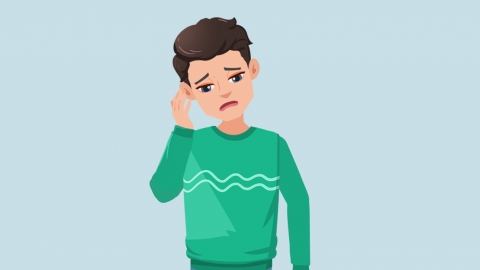
1. Sleep Deprivation: Long-term熬夜 or poor sleep quality prevents the brain and auditory nerves from fully resting, leading to functional disturbances that trigger headaches and tinnitus. Adjust your sleep schedule immediately by establishing consistent bedtime and wake-up times, ensuring 7–8 hours of sleep each night. Avoid using electronic devices such as smartphones and computers one hour before bed. Soaking feet in warm water or listening to soft music may help improve sleep.
2. Mental Stress: Prolonged exposure to high-pressure environments causes continuous excitation of the sympathetic nervous system, resulting in cerebral vasoconstriction and heightened sensitivity of the auditory nerves, which can lead to headaches and tinnitus. Engage in 30 minutes of aerobic exercise daily, such as jogging or yoga. Practicing meditation or deep breathing exercises can also help relieve stress. Psychological counseling should be sought if necessary.
3. External Otitis: Inflammation of the external auditory canal due to bacterial infection may stimulate head nerves and disrupt auditory conduction, causing headaches and tinnitus, often accompanied by ear pain and increased ear discharge. Patients should follow medical advice to use medications such as ofloxacin ear drops, cefradine capsules, and Huanglian Shangqing tablets. Avoid aggressive ear cleaning with cotton swabs.
4. Migraine: A neurovascular disorder in which abnormal constriction and dilation of blood vessels cause headaches and affect the auditory center, leading to tinnitus. Symptoms often include photophobia and nausea. Patients should take medications such as ibuprofen sustained-release capsules, zolmitriptan tablets, or Yangxue Qingnao granules as prescribed. During an attack, rest quietly in a place free from bright light and loud noises.
5. Ménière's Disease: Abnormal circulation of inner ear lymph fluid leads to endolymphatic hydrops, compressing the auditory and balance nerves, resulting in headaches and tinnitus, along with vertigo and hearing loss. Patients may take betahistine tablets, hydrochlorothiazide tablets, or mecobalamin tablets as directed by a physician to alleviate symptoms.
In daily life, maintain a regular routine and avoid excessive fatigue. Eat a light diet and reduce intake of stimulants such as coffee and alcohol. Avoid prolonged exposure to noisy environments to protect hearing. Comprehensive lifestyle adjustments can help reduce the frequency of headache and tinnitus episodes.








