


What should I do if my voice is hoarse?
Nov 27, 2025
Source: Cainiu Health

Dr. Lu Cheng
Introduction
In general, hoarseness may result from excessive voice use, environmental irritation, acute laryngitis, vocal cord nodules, reflux pharyngitis, or other causes. It is recommended to seek medical attention promptly, identify the underlying cause, and then improve symptoms through general measures, medications, or other treatments under a doctor's guidance. In daily life, it is important to develop healthy voice-use habits and avoid speaking loudly in noisy environments.
Generally, hoarseness may be caused by factors such as overuse of the voice, environmental irritation, acute laryngitis, vocal cord nodules, or reflux laryngitis. It is recommended to seek medical attention promptly, identify the underlying cause, and then improve symptoms under a doctor's guidance through general management, medication, or other treatments. A detailed analysis is as follows:
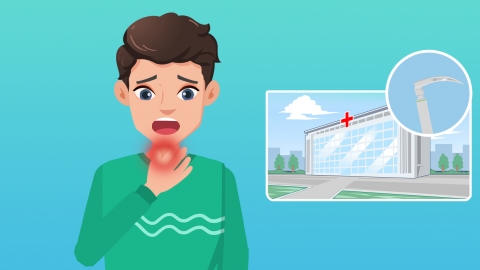
1. Voice overuse: Prolonged loud speaking or frequent shouting can cause the vocal mucosa to become congested and swollen due to intense vibration and friction, leading to hoarseness. Immediately stop excessive voice use to allow the vocal cords to rest fully. Drink 1500–2000 mL of warm water daily, and avoid irritants such as ice water and strong tea.
2. Environmental irritation: Long-term exposure to dusty, dry, or smoky environments can irritate and damage the pharyngeal mucosa, resulting in voice changes. Leave the irritating environment as soon as possible. Use a humidifier indoors to maintain humidity at 50%–60%, wear a dust mask when going outside, and rinse the throat with physiological saline to maintain cleanliness.
3. Acute laryngitis: Viral or bacterial infections can trigger acute inflammation of the laryngeal mucosa, causing vocal cord swelling and congestion that interferes with normal vibration, often accompanied by sore throat and cough. Follow your doctor’s instructions to take medications such as Huangshi Xiangsheng Pills, Jinshang Kaiyin Capsules, or Cefuroxime Axetil Tablets, combined with nebulized inhalation therapy to reduce mucosal inflammation.
4. Vocal cord nodules: Chronic improper voice use can lead to small nodules forming on the edges of the vocal cords, impairing their closure and causing progressively worsening hoarseness that tends to recur. In early stages, treatment may include medications such as Ganju Bingmei Tablets, Jinshang Sanjie Pills, or Budesonide Suspension, used according to medical advice.
5. Reflux laryngitis: Gastric contents flow back into the throat, where stomach acid irritates the vocal cords and laryngeal mucosa, causing congestion and swelling, often accompanied by acid reflux and heartburn. Follow your doctor’s recommendations to take medications such as Omeprazole Enteric-coated Capsules, Domperidone Tablets, or Hydrotalcite Chewable Tablets to relieve symptoms.
In daily life, develop healthy voice-use habits and avoid speaking loudly in noisy environments. Maintain a light diet, and consume more soothing fruits such as pears and grapefruits; avoid spicy and fried foods. Keep a regular sleep schedule and avoid staying up late to enhance immunity and reduce the likelihood of developing throat conditions.



