


What causes nasal congestion in allergic rhinitis, and what should be done about it?
Nov 27, 2025
Source: Cainiu Health

Dr. Lu Cheng
Introduction
Nasal congestion in allergic rhinitis may be caused by exposure to allergens, sensitive nasal mucosa, acute phase of allergic rhinitis, nasal polyps, or allergic sinusitis. It is recommended to seek medical attention promptly, identify the underlying cause, and improve symptoms under a doctor's guidance through general management, medication, and other treatments. In daily life, it is important to strengthen physical exercise, enhance immune function, maintain regular作息 (sleep patterns), and avoid staying up late.
In general, nasal congestion in allergic rhinitis may be caused by exposure to allergens, sensitive nasal mucosa, the acute phase of allergic rhinitis, nasal polyps, or allergic sinusitis. It is recommended to seek medical attention promptly, identify the underlying cause, and then improve symptoms under a doctor's guidance through general management, medication, and other approaches. A detailed analysis is as follows:
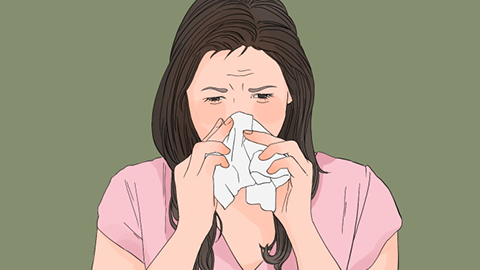
1. Exposure to allergens: Inhaling allergens such as pollen or house dust mites can stimulate the nasal cavity and trigger an immune response, leading to nasal congestion. Identify and avoid allergens promptly—reduce outdoor activities during pollen season, wear an N95 mask when going outside, and regularly clean bedding at home with a mite-removal device to minimize allergen exposure.
2. Sensitive nasal mucosa: The nasal mucosa in patients with allergic rhinitis is inherently in a state of hyperreactivity, making it prone to swelling and congestion upon exposure to cold air or irritants, resulting in nasal blockage. Maintain warmth in the nasal area, avoid direct exposure to cold wind, ensure good indoor ventilation, refrain from contact with irritants such as perfume or cooking fumes, and rinse the nasal cavity daily with saline solution.
3. Acute phase of allergic rhinitis: Persistent allergen stimulation worsens nasal mucosal edema, causing significant nasal congestion, often accompanied by sneezing and clear nasal discharge. Follow your doctor’s instructions to use medications such as cetirizine hydrochloride tablets, loratadine syrup, or mometasone furoate nasal spray to reduce mucosal swelling and relieve congestion. Avoid forcefully rubbing the nose to prevent mucosal damage.
4. Nasal polyps: Long-term, recurrent episodes of allergic rhinitis can lead to chronic inflammation, stimulating the nasal mucosa to proliferate and form polyps that obstruct the nasal passage and cause congestion. For smaller polyps, follow medical advice to use medications such as budesonide nasal spray, montelukast sodium chewable tablets, or fluticasone propionate nasal spray to control symptoms.
5. Allergic sinusitis: When allergic rhinitis spreads to the sinuses, it triggers inflammation, increasing mucus production and blocking the sinus openings, thereby worsening nasal congestion and possibly causing headaches. Use medications such as cefdinir dispersible tablets, eucalyptus and pinene enteric soft capsules, or azelastine hydrochloride nasal spray as prescribed, along with nasal irrigation to facilitate mucus drainage.
In daily life, strengthen physical exercise to boost immunity, maintain regular sleep patterns, and avoid staying up late. Diet-wise, reduce intake of spicy and irritating foods, and consume more fresh fruits and vegetables rich in vitamin C. Comprehensive lifestyle adjustments can help reduce the frequency of allergic rhinitis episodes and improve nasal airflow.



