


What causes allergic rhinitis?
Nov 28, 2025
Source: Cainiu Health

Dr. Lu Cheng
Introduction
In general, allergic rhinitis may be caused by factors such as genetic predisposition, environmental irritants, concurrent allergic conjunctivitis, chronic sinusitis, or the presence of nasal polyps. If uncomfortable symptoms occur, it is recommended to seek timely medical evaluation and treatment at a正规 hospital. In daily life, regularly clean the indoor environment to reduce allergen growth, and pay attention to weather conditions and pollen levels when going outdoors, taking appropriate protective measures.
Generally, allergic rhinitis may be caused by factors such as genetic predisposition, environmental irritants, concurrent allergic conjunctivitis, chronic sinusitis, or the influence of nasal polyps. If discomfort symptoms occur, it is recommended to seek timely medical evaluation and treatment at a正规 hospital. The specific analysis is as follows:
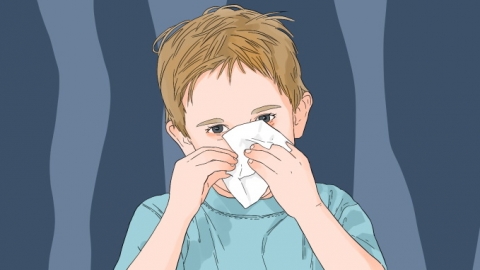
1. Genetic Factors
A family history of allergic diseases can increase the sensitivity of the immune system to allergens, making it easier to trigger allergic reactions in the nasal mucosa. It is important to maintain nasal hygiene, wear masks when going outdoors, and avoid contact with common allergens such as pollen and dust mites.
2. Environmental Irritants
Long-term exposure to substances like dust mites, animal dander, and mold spores can stimulate the nasal mucosal immune system, triggering the release of inflammatory mediators and causing symptoms. Regularly washing bedding, keeping indoor areas dry and well-ventilated, and using air purifiers can help reduce allergen concentrations.
3. Concurrent Allergic Conjunctivitis
Inflammation triggered by allergen exposure in the conjunctiva can spread via the nasolacrimal duct to the nasal cavity, inducing or worsening allergic reactions in the nasal mucosa. As directed by a physician, antiallergic eye drops such as levocabastine hydrochloride eye drops, emedastine difumarate eye drops, or olopatadine eye drops may be used. Avoid rubbing the eyes and nose.
4. Induction by Chronic Sinusitis
Chronic inflammation in the sinuses can leave the nasal mucosa in a state of persistent congestion and hypersensitivity, weakening the mucosal barrier function and increasing the risk of allergic episodes. Under medical guidance, medications such as clarithromycin sustained-release tablets, eucalyptus citronellal enteric soft capsules, or Tongqiao Biyan granules may be taken, along with routine nasal irrigation.
5. Impact of Nasal Polyps
Nasal polyps can obstruct nasal passages, leading to accumulation of nasal secretions, bacterial growth, and mucosal irritation, which may trigger allergic reactions. As prescribed, intranasal corticosteroids such as budesonide nasal spray, mometasone furoate nasal spray, or fluticasone propionate nasal spray can be used. In severe cases, endoscopic nasal polypectomy may be required.
In daily life, regularly clean the indoor environment to reduce allergen buildup; monitor weather conditions and pollen counts when going outdoors and take protective measures; consistently perform nasal irrigation to maintain nasal hygiene; and undergo regular health check-ups to promptly address any nasal or adjacent tissue abnormalities.




