


What causes thick, pus-like nasal discharge in the later stages of allergic rhinitis, and how should it be managed?
Nov 27, 2025
Source: Cainiu Health

Dr. Lu Cheng
Introduction
In general, the appearance of purulent nasal discharge in the later stages of allergic rhinitis may be caused by poor drainage due to nasal mucosal edema, secondary infection resulting from impaired mucosal barrier, acute rhinitis complicated by bacterial infection, acute exacerbation of chronic sinusitis, or nasal polyps with concurrent infection. It is recommended to seek timely medical attention, identify the underlying cause, and then improve symptoms through general management, medication, or other treatments under a doctor's guidance.
In general, the appearance of purulent nasal discharge in the later stages of allergic rhinitis may be caused by poor drainage due to nasal mucosal edema, secondary infection from damaged mucosal barrier, acute rhinitis complicated by bacterial infection, acute exacerbation of chronic sinusitis, or nasal polyps with infection. It is recommended to seek medical attention promptly, identify the underlying cause, and improve symptoms under a doctor's guidance through general management, medication, and other treatments. Specific analyses are as follows:
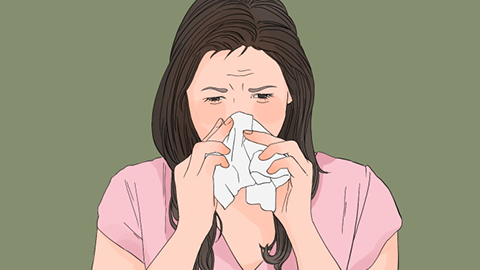
1. Poor drainage due to nasal mucosal edema: Long-term irritation from allergic rhinitis causes persistent swelling of the nasal mucosa, blocking the nasal passages. This leads to mucus retention and secondary infection, resulting in purulent nasal discharge. Nasal irrigation with normal saline 2–3 times daily can help promote secretion clearance.
2. Secondary infection due to impaired mucosal barrier: Allergic reactions damage the nasal mucosal barrier, making it easier for bacteria to invade and cause infection, turning clear nasal discharge into purulent discharge. Avoid exposure to allergens such as pollen and dust mites, and wear a mask when going outdoors.
3. Acute rhinitis complicated by bacterial infection: During episodes of allergic rhinitis, reduced immunity may lead to viral infections causing acute rhinitis, which can subsequently develop into bacterial infection with purulent nasal discharge. Treatment should follow medical advice and may include antibiotics such as amoxicillin capsules, cefuroxime axetil tablets, or clarithromycin dispersible tablets.
4. Acute exacerbation of chronic sinusitis: Recurrent allergic rhinitis irritates the sinuses, triggering an acute flare-up of chronic sinusitis. Pus from the sinuses drains through the nasal cavity, causing purulent nasal discharge, often accompanied by headache and reduced sense of smell. Medications such as eucalyptus citronellal-pine oil enteric soft capsules, mometasone furoate nasal spray, or cefaclor sustained-release tablets may be used as directed by a physician, along with nasal irrigation to promote sinus drainage.
5. Nasal polyps with infection: Prolonged irritation from allergic rhinitis can lead to nasal polyp formation. Polyps may block the sinus openings, causing mucus accumulation and infection, resulting in significant purulent nasal discharge. If drug treatment fails, endoscopic nasal polypectomy may be performed to remove the polyps, open the sinus openings, and restore normal sinus drainage.
Diet should be light; avoid spicy and irritating foods, and increase intake of fresh fruits and vegetables rich in vitamin C. Keep indoor areas well-ventilated and regularly clean and dust. With proper treatment and care, purulent nasal discharge can be effectively relieved and nasal inflammation controlled.



