What causes nosebleeds in advanced cancer?
Nov 27, 2025
Source: Cainiu Health

Dr. Lu Cheng
Introduction
In general, nosebleeds in advanced cancer patients may be caused by dry air, forceful nose-blowing, thrombocytopenia, hypertension, or nasal mucosal ulcers. Patients can choose appropriate management approaches such as general care, medication, or surgical treatment according to their specific conditions. It is important to keep the nasal passages moist in daily life and avoid aggressive nose-picking or nose-blowing. A light and easily digestible diet is recommended.
In general, nosebleeds in late-stage cancer patients may be caused by dry air, forceful nose-blowing, thrombocytopenia, hypertension, or nasal mucosal ulcers. Depending on the specific situation, patients can improve symptoms through general management, medication, surgical treatment, etc. A detailed analysis is as follows:
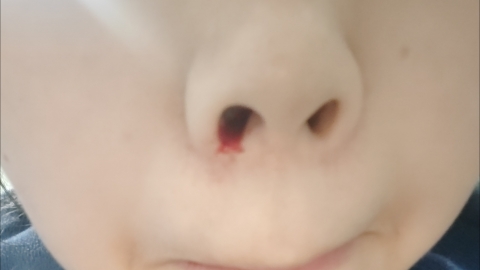
1. Dry Air
Low indoor humidity causes the nasal mucosa to lose moisture, become brittle, and more prone to capillary rupture and bleeding, usually resulting in minor bleeding. Use a humidifier to maintain humidity at 50%-60%, apply saline nasal spray to keep the nasal cavity moist, and avoid prolonged exposure to direct airflow from air conditioning.
2. Forceful Nose-Blowing
Patients with advanced cancer are physically weak and have poor tolerance of the nasal mucosa; forceful nose-blowing can easily damage the mucosa and rupture blood vessels. Gently clean the nasal cavity instead. When experiencing a nosebleed, lean forward and tilt the head downward, then press the nostrils with fingers for 5–10 minutes to stop the bleeding—avoid tilting the head backward.
3. Thrombocytopenia
Chemotherapy or cancer infiltration into the bone marrow can reduce platelet production, impair coagulation function, and lead to spontaneous nasal bleeding. Under medical guidance, medications such as recombinant human thrombopoietin injection, tranexamic acid tablets, or etamsylate injection may be used. Platelet transfusion may be necessary when needed.
4. Hypertension
Advanced cancer patients often have comorbid hypertension. A sudden rise in blood pressure increases stress on nasal blood vessels, leading to rupture and bleeding, which may be accompanied by dizziness. Antihypertensive drugs such as nifedipine sustained-release tablets, valsartan capsules, or metoprolol sustained-release tablets should be taken as prescribed, with regular monitoring and efforts to stabilize blood pressure.
5. Nasal Mucosal Ulceration
Cancer treatments or infections can cause ulceration of the nasal mucosa, exposing blood vessels that are prone to bleeding, often accompanied by a burning pain in the nasal cavity. Under medical supervision, treatments such as recombinant human epidermal growth factor gel, cod liver oil nasal drops, or vitamin C tablets may be applied. In severe cases, nasal packing may be required.
In daily life, patients should maintain nasal moisture and avoid aggressive nose-picking or forceful nose-blowing. Diet should be light and easily digestible, with increased intake of foods rich in vitamins. Family members should closely monitor the frequency and volume of bleeding. If persistent bleeding occurs or is accompanied by dizziness or palpitations, immediate medical attention is required.