


What should I do if I can't sleep due to a sore throat?
Nov 28, 2025
Source: Cainiu Health

Dr. Lu Cheng
Introduction
Sore throat causing insomnia may be due to excessive voice use, dry environment, acute pharyngitis, tonsillitis, herpangina, etc. Symptoms can be improved through vocal rest, moisturizing care, and medication. If the pain is severe or accompanied by fever or difficulty swallowing, prompt medical attention is necessary. Prolonged speaking, singing, or shouting can lead to congestion and swelling of the pharyngeal mucosa.
Sore throat causing difficulty sleeping may be due to excessive voice use, dry environment, acute pharyngitis, tonsillitis, or herpangina. Symptoms can be improved through vocal rest, moisturizing care, and medication. Seek medical attention promptly if the pain is severe or accompanied by fever or difficulty swallowing.
1. Overuse of voice: Prolonged talking, singing, or shouting can lead to congestion and swelling of the throat's mucous membrane, resulting in pain that worsens at night in quiet settings, thus disrupting sleep. It is recommended to minimize speaking, drink plenty of warm water to soothe the throat, and avoid loud talking to allow the vocal cords adequate rest.
2. Dry environment: Dry indoor air during nighttime sleep causes moisture loss from the throat’s mucous membrane, leading to dryness, irritation, and pain, often accompanied by a dry, itchy throat. It is advisable to use a humidifier before bedtime and place a glass of warm water beside the bed, drinking it upon waking to relieve dryness.
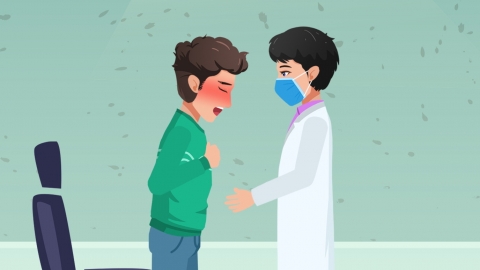
3. Acute pharyngitis: Viral or bacterial infection triggers acute inflammation of the pharyngeal mucosa, causing redness, swelling, and severe sore throat, which worsens during swallowing and is particularly noticeable at night. Under a doctor’s guidance, patients may use medications such as Watermelon Frost lozenges, Lanqin Oral Liquid, or Amoxicillin capsules to alleviate symptoms.
4. Tonsillitis: Infection leads to inflamed and swollen tonsils, causing throat pain, difficulty swallowing, and fever. Pain may intensify at night due to stimulation from swallowing saliva or breathing. It is recommended to take medications such as Cefaclor dispersible tablets, Pudilan Anti-inflammatory Oral Liquid, or Ibuprofen sustained-release capsules under medical supervision to relieve discomfort.
5. Herpangina: Caused by enterovirus infection, this condition results in blisters in the throat that rupture and form ulcers, leading to intense throat pain. Pain may worsen at night due to changes in body position or saliva irritation, affecting sleep. Patients may follow medical advice to use Ribavirin granules, Kaihoujian spray, or Paracetamol suspension to manage symptoms.
Maintain good indoor ventilation, rinse the mouth with warm water before bedtime to clean the throat, choose light and easily digestible foods, avoid spicy and irritating foods, and maintain regular作息 (daily routines) to support recovery from throat inflammation.





