


What does it mean when the fingertips turn black?
Nov 28, 2025
Source: Cainiu Health

Dr. Liu Wenmin
Introduction
Raynaud's syndrome: When exposed to cold or emotional stress, the small arteries in the fingertips go into spasm and constrict, causing ischemia and blackening of the fingertips, often accompanied by pallor and cyanosis of the fingers. Keep warm, avoid cold exposure and emotional fluctuations. Under professional guidance, medications such as nifedipine sustained-release tablets, flunarizine hydrochloride capsules, and reserpine tablets may be used to dilate blood vessels and alleviate symptoms.
Under normal circumstances, black discoloration of the fingertips may be caused by cold stimulation, local compression, trauma, Raynaud's syndrome, or peripheral arterial atherosclerotic occlusive disease. If related symptoms occur, timely medical consultation is recommended to identify the underlying cause and initiate appropriate treatment. Specific analyses are as follows:
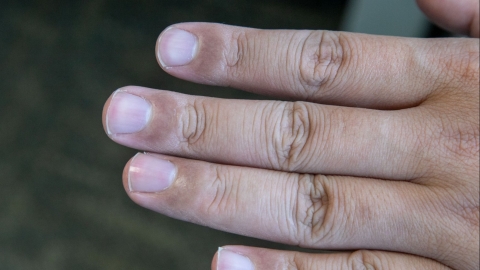
1. Cold stimulation: In cold environments, blood vessels in the fingertips constrict, impairing circulation and leading to local ischemia and hypoxia, which can result in black discoloration. Removing oneself from the cold environment, keeping warm (e.g., wearing gloves), and performing gentle finger movements to promote blood flow can help.
2. Local compression: Prolonged pressure on the fingertips can impede venous return, causing localized ischemia and resulting in black discoloration. Relieving the pressure and gently massaging the affected area can restore blood flow and gradually alleviate symptoms.
3. Trauma: Injury such as impact or crushing to the fingertip can cause subcutaneous bleeding and hematoma formation, leading to black discoloration. This is often accompanied by pain and swelling. Under professional guidance, medications such as Yunnan Baiyao ointment, diclofenac sodium gel, or swelling-relief and pain-relieving tincture may be used to promote absorption of the hematoma and relieve pain.
4. Raynaud's syndrome: In response to cold or emotional stress, small arteries at the fingertips spasm and constrict, causing ischemia and black discoloration, often accompanied by pallor and cyanosis. Keeping warm, avoiding cold exposure and emotional fluctuations, and using medications such as nifedipine sustained-release tablets, flunarizine hydrochloride capsules, or reserpine tablets under medical supervision can help dilate blood vessels and improve symptoms.
5. Peripheral arterial atherosclerotic occlusive disease: Atherosclerosis leads to narrowing or blockage of the arteries in the extremities, impairing circulation and causing ischemia and hypoxia in the fingertips, resulting in black discoloration. This condition is often accompanied by numbness, pain, and intermittent claudication. Under a physician’s guidance, medications such as enteric-coated aspirin tablets, clopidogrel hydrogen sulfate tablets, or alprostadil injection may be prescribed.
Routine management includes controlling blood glucose, blood pressure, and lipid levels, quitting smoking, limiting alcohol intake, engaging in moderate exercise, and undergoing regular vascular examinations for early detection and treatment.






