


What causes red spots on a woman's chest?
Nov 28, 2025
Source: Cainiu Health

Dr. Liu Wenmin
Introduction
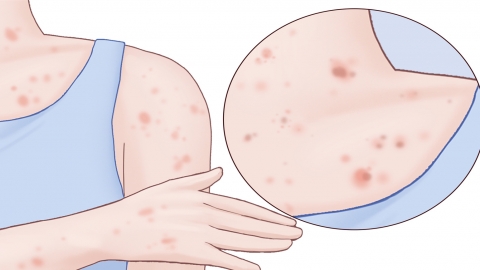
In general, red spots on a woman's chest may be caused by hormonal fluctuations, friction, folliculitis, contact dermatitis, spider angiomas, or other reasons. If discomfort occurs, it is recommended to seek timely medical evaluation and treatment at a正规 hospital. In daily life, choose mild, non-irritating skincare products; keep the skin on the chest dry and clean, and avoid prolonged exposure to sweat.
Generally, red spots on a woman's chest may be caused by hormonal fluctuations, friction irritation, folliculitis, contact dermatitis, spider angiomas, and other reasons. If discomfort occurs, it is recommended to seek timely medical evaluation and treatment at a正规 hospital. The specific causes are analyzed as follows:
1. Hormonal Fluctuations
Hormonal changes during puberty, pregnancy, or menstruation can increase sebaceous gland secretion, leading to clogged pores and the formation of red spots. Use lightweight, oil-controlling body washes, frequently change into clean cotton clothing, maintain a light diet avoiding high-sugar and high-fat foods, and follow a regular sleep schedule to reduce hormonal imbalances.
2. Friction Irritation
Tight synthetic clothing or repeated rubbing during physical activity can damage the skin barrier on the chest, causing localized red spots. Switch to loose, breathable cotton garments, clean the skin promptly after exercise, avoid scratching, and minimize skin friction injuries.
3. Folliculitis
Bacterial infection of hair follicles leads to inflammation, presenting as small red papules that may have pus at the tip, accompanied by mild pain. As directed by a physician, topical treatments such as mupirocin ointment, fusidic acid cream, or oral cefuroxime axetil tablets may be used. Keep the chest area clean and avoid squeezing the lesions.
4. Contact Dermatitis
Skin inflammation triggered by allergens such as underwear materials or shower gels can result in red spots and itching. Under medical guidance, treatments like desonide cream, loratadine tablets, or cetirizine hydrochloride drops may be used. Replace suspected allergenic items and avoid re-exposure.
5. Spider Angioma
Abnormal estrogen metabolism causing capillary dilation forms a central red spot with radiating blood vessels—known as a spider angioma—which is often associated with liver function. As prescribed, vitamin C tablets, compound glycyrrhizin tablets, or silibinin capsules may be taken. It’s important to actively treat underlying liver conditions, and laser therapy may be considered when necessary.
In daily life, choose mild, non-irritating personal care products; keep the chest skin dry and clean, avoiding prolonged sweat retention; regularly wash and sun-dry undergarments, opting for wire-free, breathable styles; maintain a balanced diet rich in fruits and vegetables while reducing spicy and irritating foods to support overall skin health.







