


Why is my scalp red, itchy, and painful?
Nov 28, 2025
Source: Cainiu Health

Dr. Liu Wenmin
Introduction
In general, redness, itching, and pain of the scalp may be caused by inadequate cleansing, excessive perming or hair dyeing, seborrheic dermatitis, scalp folliculitis, or scalp psoriasis. It is recommended to seek medical attention promptly, identify the underlying cause, and receive appropriate treatment under a doctor's guidance. In daily life, choose loose, breathable cotton hats to reduce scalp friction. Maintain a regular sleep schedule and avoid staying up late to prevent endocrine disorders from worsening symptoms.
Generally, redness, itching, and pain on the scalp may be caused by inadequate cleansing, excessive perming or dyeing, seborrheic dermatitis, scalp folliculitis, or scalp psoriasis. It is recommended to seek medical attention promptly, identify the underlying cause, and receive appropriate treatment under a doctor's guidance. Specific analyses are as follows:
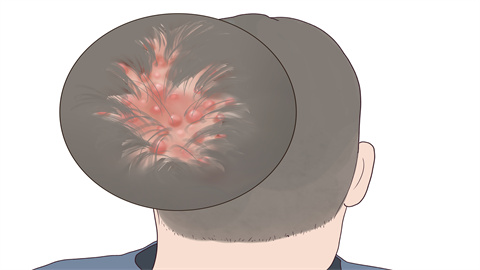
1. Inadequate cleansing: Accumulation of scalp oils and dirt can clog hair follicles, promoting bacterial growth and causing discomfort, often accompanied by oily odor. Choose a mild oil-control shampoo, wash hair 2–3 times weekly, gently massage the scalp with fingertips, and avoid scratching with fingernails.
2. Excessive perming or dyeing: Chemicals in hair treatments can irritate the scalp and damage the skin barrier, leading to redness, itching, and pain. Discontinue perming or dyeing, rinse the scalp thoroughly with lukewarm water to remove residual chemicals, and use silicone-free shampoos to reduce scalp burden.
3. Seborrheic dermatitis: Overactive sebaceous glands trigger inflammation, resulting in greasy scales and noticeable scalp redness. Patients may use ketoconazole shampoo, selenium sulfide shampoo, or pyrithione zinc aerosol as prescribed. Reduce dietary intake of high-sugar and high-fat foods.
4. Scalp folliculitis: Hair follicles infected by *Staphylococcus aureus* develop into red papules with itching and pain, which may progress to pustules. Follow medical advice to apply mupirocin ointment or fusidic acid cream, or take oral cefuroxime axetil tablets. Avoid squeezing the lesions.
5. Scalp psoriasis: Immune dysfunction causes abnormal keratin metabolism, forming well-demarcated red plaques covered with silvery scales, accompanied by itching and pain. Treatments include calcipotriol solution, tacrolimus ointment, or acitretin capsules as directed by a physician. Avoid prolonged sun exposure on the scalp.
In daily life, choose loose, breathable cotton hats to minimize scalp friction. Maintain regular sleep patterns and avoid staying up late to prevent endocrine imbalances that could worsen symptoms. Dry the scalp thoroughly after washing to keep it dry and support recovery from inflammation.



