


What causes small blisters and peeling skin on the hands?
Nov 28, 2025
Source: Cainiu Health

Dr. Liu Wenmin
Introduction
In general, small blisters on the hands accompanied by peeling skin may be caused by conditions such as dyshidrotic eczema, exposure to irritants, tinea manuum (fungal infection), eczema, or keratolysis exfoliativa. It is recommended to seek medical attention promptly, identify the underlying cause, and receive appropriate treatment under a doctor's guidance. In daily life, avoid peeling off unshed skin with your hands to prevent skin damage and infection.
Small blisters accompanied by peeling skin on the hands are usually caused by conditions such as dyshidrotic eczema, exposure to irritants, tinea manuum (fungal infection), eczema, or keratolysis exfoliativa. It is recommended to seek medical attention promptly to determine the underlying cause and receive appropriate treatment under a doctor's guidance. Detailed analysis is as follows:
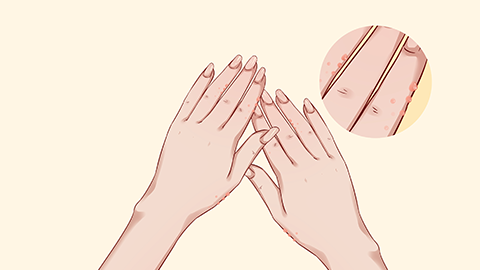
1. Dyshidrotic eczema: Excessive sweating of the hands and feet or mental stress can block sweat gland ducts, leading to small blisters that dry up and peel. Reduce contact with alkaline substances like soap, keep hands dry, and apply calamine lotion during the blister stage to relieve itching.
2. Contact with irritants: Prolonged exposure to detergents or chemical reagents damages the skin barrier, resulting in blisters and peeling. Wear waterproof gloves during work, wash hands with a gentle hand cleanser after exposure, and apply hand cream to restore the skin barrier.
3. Tinea manuum: A fungal infection of the skin on the hands, initially presenting as scattered small blisters with itching; peeling begins once blisters rupture. Patients should follow medical advice to use antifungal medications such as terbinafine hydrochloride cream, bifonazole cream, or miconazole nitrate cream, and avoid sharing towels with others.
4. Eczema: Inflammation triggered by both internal and external factors, characterized by polymorphic rashes including blisters and peeling, along with significant itching. Patients should use prescribed topical corticosteroids such as desonide cream, mometasone furoate cream, or hydrocortisone butyrate cream, and avoid known allergens.
5. Keratolysis exfoliativa: Abnormal shedding of the stratum corneum, starting with superficial small blisters followed by large-scale peeling, often without prominent itching. Patients may use medications such as urea-vitamin E cream, vitamin A ointment, or salicylic acid ointment as directed by a physician to promote keratin layer repair.
In daily life, avoid manually tearing off unshed skin flakes to prevent skin damage and infection. Increase dietary intake of vitamin A-rich foods such as carrots and animal liver. Always protect your hands when doing housework or gardening to minimize external irritation.




