What causes a rough surface on a birthmark?
Nov 28, 2025
Source: Cainiu Health

Dr. Liu Wenmin
Introduction
In general, a rough surface on a birthmark may be caused by normal growth changes, external friction or irritation, nevus pigmentosus proliferation, sebaceous nevus, or congenital pigmented epidermal nevus. It is recommended to seek medical attention promptly, identify the underlying cause, and receive symptomatic treatment under a doctor's guidance. In daily life, avoid scratching the rough area of the birthmark to prevent skin damage and potential infection.
Generally, roughness on the surface of birthmarks may be caused by normal growth changes, external friction or irritation, nevus pigmentosus proliferation, sebaceous nevus, or congenital pigmented hairy epidermal nevus. It is recommended to seek timely medical evaluation to determine the underlying cause and receive appropriate treatment under a doctor's guidance. Specific analyses are as follows:
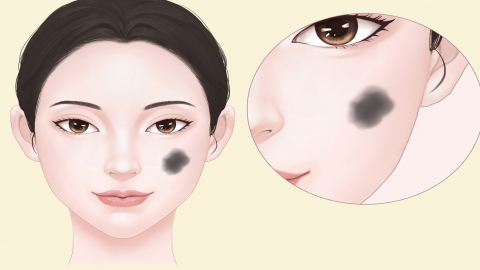
1. Normal growth changes: With age, metabolic changes in the skin's stratum corneum at the birthmark site may lead to mild roughness without other discomfort. Maintain local cleanliness and hydration, use gentle moisturizing creams, and avoid frequent touching or irritation.
2. External friction or irritation: Birthmarks exposed to the outside environment for prolonged periods may become thickened and rough due to constant rubbing from clothing or accessories. Wear loose, soft clothing and avoid wearing metal accessories over the birthmark to reduce direct friction.
3. Pigmented nevus proliferation: Pigmented nevus-type birthmarks may undergo benign proliferation when irritated, resulting in a rougher, slightly raised surface. Under medical supervision, patients may apply topical medications such as tretinoin cream, centella asiatica glycoside cream, or hydroquinone cream to suppress proliferation and improve skin texture.
4. Sebaceous nevus: Caused by abnormal development of sebaceous glands, this type of birthmark appears rough and oily, often light yellow or brownish. Patients should follow medical advice to use topical agents such as fusidic acid cream, mupirocin ointment, or isotretinoin gel to control inflammation. Laser therapy may also be used to remove affected tissue through photothermal effects.
5. Congenital pigmented hairy epidermal nevus: Typically presents as large areas of pigmentation with a rough surface that may bear hair, becoming more prominent with age. As directed by a physician, patients may use topical treatments such as tretinoin cream, adapalene gel, or urea ointment. Surgical excision is also an option to completely remove the affected skin and improve both appearance and texture.
Avoid scratching or picking at rough areas of the birthmark to prevent skin breaks and potential infection. Regularly monitor changes in the birthmark, noting any alterations in size, color, or degree of roughness. Practice sun protection outdoors to prevent UV exposure from worsening pigmentation and impairing skin recovery.