


What causes red, raised bumps on the fingers, and what should be done about them?
Nov 28, 2025
Source: Cainiu Health

Dr. Liu Wenmin
Introduction
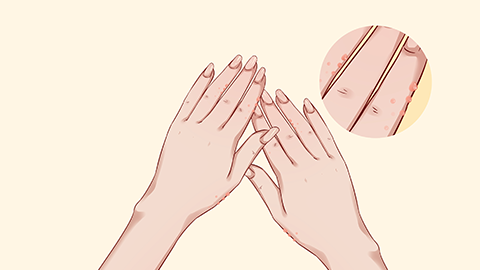
In general, red raised bumps on the fingers may be caused by trauma, excessive contact or friction, insect bite dermatitis, dyshidrotic eczema, folliculitis, or other reasons. It is recommended to seek medical attention promptly, identify the underlying cause, and then improve the condition through general measures, medication, or other treatments under a doctor's guidance. In daily life, maintain cleanliness of the fingers and dry them thoroughly after washing hands.
Generally, red raised bumps on the fingers may be caused by trauma, excessive contact friction, insect bite dermatitis, dyshidrotic eczema (sweat blisters), folliculitis, and other reasons. It is recommended to seek medical attention promptly, identify the underlying cause, and then improve the condition under a doctor's guidance through general measures or medication. Specific analyses are as follows:
1. Trauma: After the finger has been squeezed, bumped, or punctured, local blood vessels may rupture and bleed, forming a red raised bump accompanied by pain. Within the first 48 hours after injury, apply an ice pack for cold compression to stop bleeding; after 48 hours, switch to warm compresses with a hot towel to promote absorption of the bruising. Avoid re-injuring or pressing the affected area.
2. Excessive Contact Friction: Repeatedly typing on keyboards or gripping tools over long periods can lead to repeated skin friction, causing localized thickening and forming red raised bumps. Reduce the frequency of finger friction, wear soft finger protectors, and apply hand cream after each episode to moisturize the skin.
3. Insect Bite Dermatitis: When insects bite the finger, their saliva can trigger skin inflammation, resulting in red raised bumps accompanied by significant itching. Avoid scratching the bumps. Follow your doctor’s instructions to use medications such as calamine lotion, hydrocortisone butyrate cream, or mometasone furoate cream to relieve symptoms.
4. Dyshidrotic Eczema (Sweat Blisters): Overactive sweat glands or emotional stress can obstruct sweat excretion, leading to dyshidrotic eczema, which appears as small red raised bumps with itching. Keep fingers dry and well-ventilated. Use medications such as desonide cream, urea ointment, or cetirizine hydrochloride tablets as directed by your doctor, and reduce mental stress.
5. Folliculitis: When hair follicles on the fingers become infected with *Staphylococcus aureus*, inflammation occurs, forming red raised bumps that may develop pus at the top. Patients should follow medical advice to use topical treatments such as mupirocin ointment, fusidic acid cream, or compound polymyxin B ointment. Avoid squeezing the bumps to prevent spreading the infection.
In daily life, maintain clean hands and dry them thoroughly after washing. Avoid direct contact with irritating chemicals, and wear gloves when doing household chores. Eat a light diet, minimize intake of spicy and irritating foods, maintain regular sleep patterns, strengthen skin resistance, and promote resolution of the bumps.



