


What does "zheng jia" mean?
Nov 28, 2025
Source: Cainiu Health

Dr. Sun Lianqing
Introduction
There is a slight difference between "zheng" and "jia." Zheng typically refers to a hard, fixed mass with a clearly defined site of pain, a longer disease course, and is mostly caused by prolonged stagnation of qi and blood. Jia, on the other hand, involves a softer mass that appears and disappears intermittently, with pain that shifts in location; it is often associated with stagnant qi, phlegm, and dampness accumulation. The two conditions are frequently mentioned together and collectively termed "zheng-jia." Common accompanying symptoms include abdominal fullness and distension, menstrual irregularities, low back soreness, and fatigue.
Under normal circumstances, "Zheng Jia" is a term in Traditional Chinese Medicine (TCM) referring to tangible masses in the abdominal cavity, which may be accompanied by pain or distension. Diagnosis requires differentiation based on specific symptoms. If there are concerns, it is recommended to seek medical advice promptly. The detailed analysis is as follows:
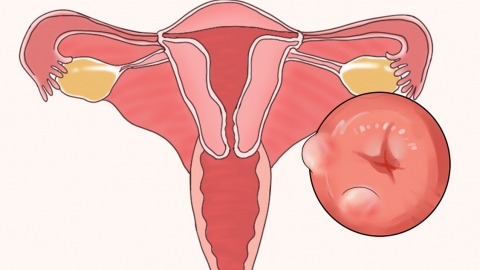
From a TCM perspective, Zheng and Jia differ slightly. Zheng typically refers to hard, fixed masses with clearly localized pain, a longer disease course, and is often caused by prolonged stagnation of qi and blood. Jia, on the other hand, involves softer masses that appear and disappear intermittently, with shifting pain locations, commonly associated with impaired qi flow, phlegm-dampness accumulation, or similar factors. These two conditions are often mentioned together under the general term "Zheng Jia." Common accompanying symptoms include abdominal fullness, menstrual irregularities, lower back soreness, and fatigue. They are frequently related to emotional stress, irregular diet, and imbalanced work-rest patterns.
In modern medical terms, conditions corresponding to Zheng Jia are mostly space-occupying lesions within the abdominal cavity, such as uterine fibroids, ovarian cysts, abdominal tumors, or inflammatory pelvic masses. These diseases share similar clinical presentations with Zheng Jia, potentially causing abdominal masses, pain, or abnormalities in menstruation, urination, or bowel movements. Definitive diagnosis requires imaging examinations such as ultrasound or CT scans, followed by targeted treatments integrating both Western and traditional Chinese medicine approaches.
If any abnormal abdominal mass or associated discomfort is detected in daily life, individuals should closely monitor changes in symptoms and avoid self-medicating. It is important to visit a qualified medical institution promptly for accurate diagnosis and appropriate treatment planning to prevent disease progression or delay in care.





