


Can turbot with white spots on its body be eaten?
Nov 29, 2025
Source: Cainiu Health

Dr. Huang Yuhong
Introduction
If the white spots on turbot are due to naturally uneven pigment distribution or minor surface frost damage caused by low-temperature storage (with no off-odor after thawing and firm flesh), and if the fish eyes are clear, gills are bright red, and there is no unusual smell, the fish is generally safe to eat. Such white spots do not affect the quality of the flesh, and thorough cooking ensures food safety without adverse health effects.
Under normal circumstances, if the white spots on a turbot are due to natural physiological pigmentation and the fish is fresh, it is safe to eat. However, if the white spots are caused by disease or the fish is not fresh, it should not be consumed. If in doubt, it is recommended to consult a professional before making a judgment. Detailed analysis is as follows:
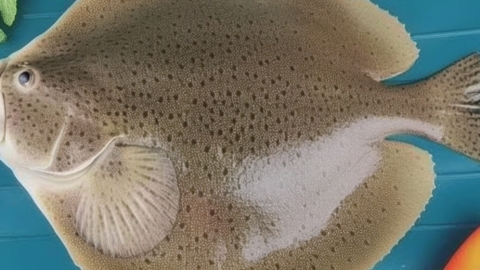
If the white spots result from naturally uneven pigment distribution in the turbot, or minor frostbite on the skin caused by low-temperature storage (with no unpleasant odor after thawing and firm flesh), and if the eyes are clear, gills are bright red, and there is no off smell, the fish is generally safe to eat. Such white spots do not affect meat quality, and thorough cooking ensures food safety without adverse health effects.
If the white spots are caused by diseases such as fungal infection or parasitic infestation (accompanied by skin damage, excessive mucus, or foul odor), or if the turbot is no longer fresh (cloudy eyes, darkened gills, soft or loose flesh), it should not be eaten. Diseases may produce harmful substances, and spoiled fish meat can easily breed bacteria, potentially causing gastrointestinal discomfort or even posing health risks if consumed.
When purchasing turbot, carefully examine its surface condition and freshness. If uncertain about the nature of the white spots, it's best to avoid consumption. Before eating, thoroughly wash and cook the fish well to ensure food safety.







