Is it good for elderly people with gray hair to gradually turn black again?
Nov 29, 2025
Source: Cainiu Health

Dr. Li Feng
Introduction
In general, whether it is good or not for elderly individuals to experience gradual darkening of gray hair depends on the specific causes and their overall health condition. If there are any abnormal symptoms, it is advisable to seek medical attention promptly. In terms of diet, include nutrient-rich foods such as black sesame seeds and walnuts to ensure comprehensive nutrition. When washing hair, use mild shampoo products, keep water temperature between 37 to 40 degrees Celsius, and avoid excessive scalp scratching.
Generally speaking, whether it is beneficial for elderly individuals' hair to gradually turn dark again depends on the specific causes and overall health condition. If any abnormal symptoms occur, timely medical consultation is recommended. The detailed analysis is as follows:
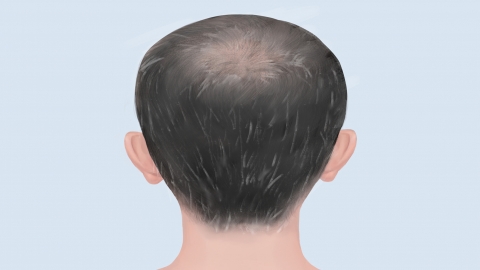
If the hair darkens due to improved nutritional balance—such as adequate intake of protein, B vitamins, and trace elements like copper and iron—which enhances melanocyte function, and if there are no other physical discomforts, this change indicates a positive health signal. Regular sleep patterns and a calm mindset may also stabilize endocrine function and support melanin production; in such cases, there is no cause for concern, as this reflects good overall health.
However, if hair suddenly turns darker and is accompanied by unusual weight changes, fatigue, altered appetite, or localized pain, potential health issues should be suspected. Certain endocrine disorders or metabolic abnormalities may cause hormonal fluctuations that lead to irregular melanin secretion. In these instances, hair darkening is not a favorable sign, and prompt medical evaluation is necessary to identify the underlying cause and receive appropriate treatment.
Diet-wise, include nutrient-rich foods such as black sesame seeds and walnuts to ensure comprehensive nutrition. Use mild shampoo when washing hair, with water temperature maintained between 37°C and 40°C, and avoid excessive scalp scratching. Choose wooden combs and comb gently to minimize hair damage. Ensure sufficient sleep and engage in moderate, relaxing activities to maintain physical and mental well-being.