


Does pears need to soften before eating?
Dec 09, 2025
Source: Cainiu Health

Dr. Huang Yuhong
Introduction
After ripening, the pear's flesh becomes tender, soft, juicy, and sweeter, making it easier to chew and digest—ideal for elderly people, children, or those who prefer a soft texture. However, take note: if the pear has become soft due to prolonged storage or skin damage, especially when accompanied by mold, an unpleasant odor, or flesh decay, it should not be eaten to avoid gastrointestinal discomfort.
Pear fruit does not necessarily need to be softened before eating—both firm and soft pears are edible, with slightly different textures and flavors. However, if the softness is due to spoilage, the fruit should be discarded. When in doubt, it's best to choose based on personal preference and the condition of the fruit. Here’s a detailed explanation:
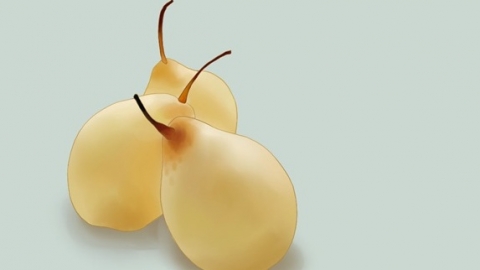
Firm pears have a crisp texture and are rich in moisture, with a more pronounced sweet-and-sour taste, making them ideal for those who prefer a crunchy, tender bite. At this stage, the fruit's nutrients remain intact and dietary fiber is well preserved, offering a refreshing eating experience without the need to wait for ripening.
Softened pears, on the other hand, develop a delicate, tender, and juicy flesh with increased sweetness, making them easier to chew and digest—ideal for elderly individuals, children, or those who enjoy a softer texture. However, take care: if the pear has become soft due to prolonged storage or skin damage, especially if accompanied by mold, an off smell, or rotten flesh, it should not be consumed to avoid gastrointestinal discomfort.
When selecting pears, choose firmness according to your taste preference. Soft pears should be eaten promptly, while firm ones can be refrigerated to extend freshness. Always inspect the fruit before consumption, and discard it immediately if signs of spoilage are evident, ensuring food safety.







