


Does eating too much millet make your skin turn yellow?
Nov 29, 2025
Source: Cainiu Health

Dr. Liu Wenmin
Introduction
Generally speaking, whether eating too much millet causes yellowing of the skin depends on specific circumstances. Consuming millet in moderate amounts will not lead to skin discoloration; however, prolonged excessive intake combined with poor metabolism may result in yellowish skin. It is important to maintain a balanced diet, control the amount of millet consumed, and avoid eating large quantities of a single food. At the same time, eat more fresh fruits and vegetables to ensure comprehensive nutrition.
Generally speaking, whether eating too much millet causes yellowing of the skin depends on specific circumstances. Eating millet in moderation will not cause skin discoloration; however, prolonged excessive consumption combined with poor metabolism may lead to yellowish skin.
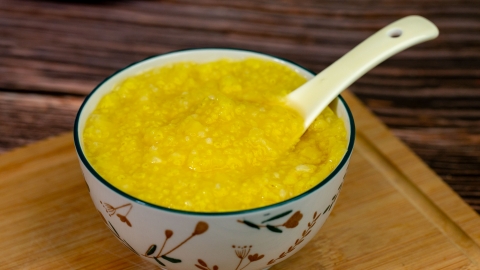
When consumed in appropriate amounts, the β-carotene in millet can be normally metabolized and utilized by the body, converting into vitamin A to nourish the body. It does not accumulate in the skin's keratin layer, so it does not alter skin color and instead helps provide essential nutrients.
If large quantities of millet are consumed over a long period, β-carotene intake may exceed the body’s metabolic capacity, leading to deposits in the keratin layers of the skin, particularly on the palms and soles, causing these areas to appear yellow. This condition is not a disease and the skin color typically returns to normal after reducing millet consumption.
A balanced diet is important in daily life. Limit the amount of millet consumed and avoid excessive intake of a single food. Also, eat more fresh fruits and vegetables to ensure comprehensive nutrition and support healthy metabolism. If skin yellowing persists, consider adjusting your diet and monitor any changes.




