Which is more nutritious: millet porridge or corn porridge?
Dec 10, 2025
Source: Cainiu Health

Dr. Huang Yuhong
Introduction
Under normal circumstances, millet porridge and corn porridge are both common healthy grain-based dishes, but their nutritional profiles differ. When cooking, adjust the amount of water according to preferred texture—millet porridge is best when fully cooked until thick and blooming, while corn porridge can be enhanced with a small amount of chopped vegetables to boost nutrition. When purchasing ingredients, choose millet and corn kernels that are plump and free from mold to ensure quality and safety.
Generally speaking, both millet porridge and corn porridge are common healthy grain-based porridges, but their nutritional benefits differ. The specific analysis is as follows:
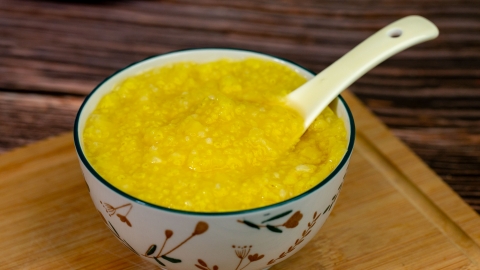
Millet porridge is rich in B vitamins and dietary fiber. Its soft, glutinous texture after cooking gently nourishes the stomach and intestines and aids digestion and absorption, making it especially suitable for individuals with weak digestive function. Corn porridge, on the other hand, primarily provides carbohydrates as an energy source and contains lutein and zeaxanthin, nutrients beneficial for maintaining vision. With a mildly sweet and refreshing taste, it supplies ample energy and serves well as a supplement to daily staple foods.
When preparing these porridges, water quantity can be adjusted according to personal preference. Millet porridge is best cooked until fully bloomed and thick, while corn porridge can be enhanced with small amounts of chopped vegetables to boost its nutritional value. When purchasing ingredients, choose plump, mold-free millet and corn grains to ensure quality and safety. Individuals with poor digestion should avoid consuming excessive amounts of corn porridge to prevent bloating. Porridge is best consumed fresh after cooking, as prolonged storage may lead to nutrient loss or spoilage.