


What causes a lumpy feeling under the skin of the thigh, and what should be done about it?
Nov 29, 2025
Source: Cainiu Health

Dr. Liu Wenmin
Introduction
In general, lumpy or uneven texture under the skin of the thigh may be caused by factors such as fat deposits, accumulation of skin keratin, sebaceous cysts, folliculitis, or erythema nodosum. If discomfort occurs, it is recommended to seek timely medical evaluation and treatment at a reputable hospital. In daily life, maintain moderate skin cleanliness and avoid excessive exfoliation; eat a light and balanced diet, reducing spicy and irritating foods.
Generally, a bumpy or uneven texture felt under the skin of the thigh may be caused by factors such as fat granule accumulation, keratin buildup, sebaceous cysts, folliculitis, or erythema nodosum. If discomfort occurs, it is recommended to seek timely medical evaluation and treatment at a reputable hospital. Specific causes are analyzed below:
1. Fat Granule Accumulation
Localized abnormalities in fat metabolism can lead to clustering of fat cells into tiny granules, resulting in a lumpy texture without pain. Adjust dietary habits by reducing intake of high-fat and high-sugar foods. Engage in regular exercises such as jogging or brisk walking to promote fat breakdown. Massage the thighs for 5–10 minutes daily to enhance local circulation.
2. Skin Keratin Buildup
Slowed skin metabolism leads to thickened stratum corneum, clogging pores and forming small raised bumps. Use a gentle scrub to cleanse the area 1–2 times per week, followed by application of a moisturizing lotion. Wear loose, cotton clothing to minimize friction and irritation.
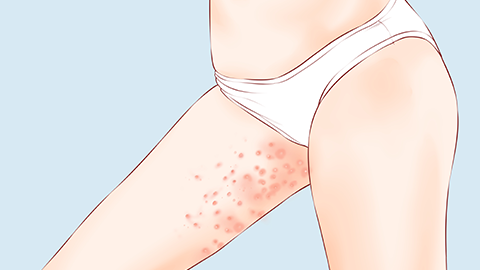
3. Sebaceous Cyst
Blockage of sebaceous gland ducts prevents sebum from draining, leading to cyst formation. These cysts are usually firm and movable. When uninfected, they may be observed without immediate intervention. In case of infection, topical antibiotics such as mupirocin ointment, fusidic acid cream, or clindamycin gel should be used as directed by a physician. Recurrent infections may require surgical excision of the cyst.
4. Folliculitis
Inflammation of hair follicles caused by bacterial or fungal infection results in red papules with mild itching. For bacterial infection, treatments include erythromycin ointment, chlortetracycline hydrochloride ointment, or compound polymyxin B ointment. For fungal infection, ketoconazole cream is effective. Keep the affected area clean and dry, and avoid scratching.
5. Erythema Nodosum
Inflammatory blood vessel disease causing nodules in the subcutaneous fat layer. The nodules are firm, tender upon pressure, and often appear symmetrically. Rest in bed and elevate the affected limb. Medications such as indomethacin enteric-coated tablets, ibuprofen tablets, or prednisone tablets should be taken as prescribed. Avoid prolonged standing or walking.
In daily life, maintain moderate skin hygiene and avoid excessive exfoliation; eat a light, balanced diet and reduce consumption of spicy or irritating foods; wear breathable clothing and avoid hot, humid environments; engage in appropriate physical activity to improve circulation; monitor skin condition regularly, and seek medical attention promptly if abnormalities occur.






