


Suddenly, a dent appeared on the upper back.
Nov 29, 2025
Source: Cainiu Health

Dr. Liu Wenmin
Introduction
A sudden indentation on the upper back may be caused by temporary uneven fat distribution, muscle tension or spasm, soft tissue injury, scar contracture after folliculitis, or early-stage scoliosis. It can be improved through posture adjustment, local care, and medication. However, if the indentation deepens progressively or is accompanied by pain or restricted movement, prompt medical evaluation is necessary.
A sudden dent appearing on the back may be caused by temporary uneven fat distribution, muscle tension and spasms, soft tissue injury of the back, scar contracture after folliculitis, or early-stage scoliosis. The condition can be improved through posture adjustment, local care, and medication. If the dent deepens progressively or is accompanied by pain or restricted movement, prompt medical attention is recommended.
1. Temporary Uneven Fat Distribution: Short-term weight fluctuations or changes in postural habits may lead to uneven fat distribution on the back, forming a temporary dent without other discomfort. It is recommended to maintain a balanced diet, perform moderate back-stretching exercises, and correct poor sitting or standing posture to promote even fat distribution.
2. Muscle Tension and Spasm: Prolonged desk work or improper physical strain can cause back muscle tension and spasm, with localized muscle contraction creating a visually noticeable dent, often accompanied by muscle soreness. Applying heat therapy to the back can help relieve muscle tension, combined with gentle massage to relax muscles. Avoid maintaining the same posture for extended periods.
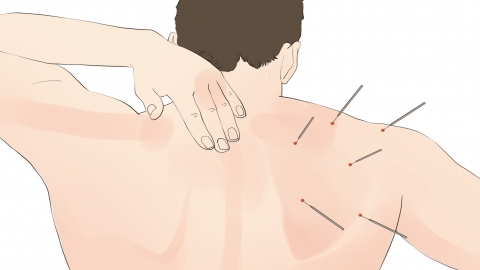
3. Back Soft Tissue Injury: Trauma or excessive pulling force may injure the soft tissues of the back. After healing, local tissue adhesion and contraction may form a dent, possibly accompanied by mild tenderness upon pressure. Under medical guidance, medications such as safflower oil, Huoxue Zhitong Capsules (blood-activating and pain-relieving capsules), or ibuprofen cream may be used to alleviate discomfort.
4. Scar Contracture After Folliculitis: Bacterial infection of hair follicles on the back causes inflammation. After recovery, scar tissue forms and contracts, pulling the skin to create a dent, which may leave behind pigmentation. Under medical supervision, topical agents such as madecassoside cream, silicone gel, or mucopolysaccharide polysulfate cream may be applied to improve symptoms.
5. Early-Stage Scoliosis: Abnormal lateral curvature of the spine leads to uneven muscle loading on both sides of the back, resulting in a dent, often associated with uneven shoulders or asymmetric back appearance. Patients may use orthopedic braces as prescribed, along with medications such as mecobalamin tablets, vitamin B1 tablets, and ibuprofen sustained-release capsules to relieve symptoms.
Maintain clean and dry skin on the back, avoid repeated pressure or irritation on the dented area, choose a mattress with moderate firmness, engage in regular moderate back exercises, and maintain a balanced diet rich in protein and vitamins to support local tissue repair and overall recovery.




