


How do you know when plantar warts are healed after liquid nitrogen cryotherapy?
Nov 29, 2025
Source: Cainiu Health

Dr. Liu Wenmin
Introduction
After cryotherapy with liquid nitrogen for plantar warts, recovery can be determined by complete detachment of the wart, wound healing, absence of pain or itching, no new warts appearing, and restoration of normal skin function. Healing should follow natural processes, avoiding人为 interventions. If severe redness, swelling, ulceration, increased pain, or signs of infection occur after cryotherapy, prompt medical attention is recommended.
After cryotherapy with liquid nitrogen for plantar warts, recovery can be determined when the following conditions are met: complete shedding of the wart, wound healing, absence of pain or itching, no new warts appearing, and restoration of normal skin function. The healing process should follow natural progression without artificial interference. If severe swelling, ulceration, increased pain, or signs of infection occur after cryotherapy, prompt medical attention is recommended.
1. Wart shedding: The blister or scab formed after freezing falls off naturally. There should be no residual wart tissue at the site, and the underlying skin surface appears smooth, without nodules or protrusions—this is the key indicator of cure.
2. Wound healing: The wound left after wart shedding is fully closed, with no exudate, bleeding, or erosion. Skin color gradually returns to normal, blending naturally with surrounding healthy skin, and there is no obvious scar formation or hypertrophic scarring.
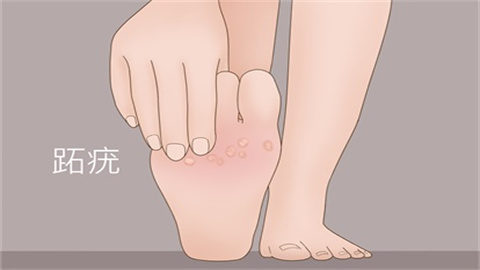
3. Absence of pain or itching: There is no tenderness or sharp pain in the foot during walking, and no itching or burning sensation in daily activities. Nerve endings have recovered, and local skin sensation has returned to normal.
4. No new warts: No new warts appear in the treated area or surrounding skin. Satellite lesions around the original wart have completely resolved, with no signs of recurrence due to residual viral activity.
5. Restoration of skin function: The elasticity and wear resistance of the sole skin return to normal. There is no foreign-body sensation while walking, and the skin barrier is intact, effectively protecting against external friction and irritation.
Post-procedure care includes keeping the wound clean and dry, avoiding contact with water and strenuous physical activity. Wear loose, breathable footwear and socks to minimize friction. Do not manually puncture blisters or peel off scabs—allow them to fall off naturally. Maintain good foot hygiene, avoid sharing shoes or socks with others, and reduce the risk of recurrence.



