What causes a transparent, solid, hard spot on the sole of the foot that is neither painful nor itchy, and what should be done about it?
Dec 01, 2025
Source: Cainiu Health

Dr. Li Feng
Introduction
In general, a transparent, solid, hard spot on the sole that is painless and non-itchy may result from prolonged pressure, friction, plantar warts, punctate palmoplantar keratoderma, or the drying phase of dyshidrotic eczema. Depending on the specific situation, treatments such as conservative management, medication, or surgical intervention may be chosen to improve the condition. It's important in daily life to monitor the condition of the skin on the soles and to wear appropriate footwear and socks to minimize external irritation.
Generally, a transparent, solid, hard spot on the sole that is painless and non-itchy may be caused by prolonged pressure, friction irritation, plantar warts, punctate palmoplantar keratoderma, or the drying phase of dyshidrotic eczema. Depending on the specific situation, improvements can be achieved through general management, medication, surgical treatment, etc. A detailed analysis is as follows:
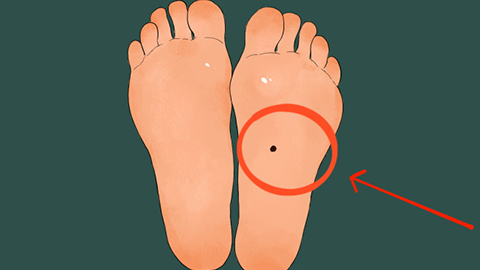
1. Prolonged pressure: Local tissues on the sole are subjected to body weight over a long period, leading to compensatory thickening of the stratum corneum and formation of a transparent hard spot. Choose loose, breathable shoes, use soft insoles to distribute pressure, and soak feet in warm water every night to soften the thickened skin.
2. Friction irritation: Frequent walking or wearing ill-fitting shoes causes repeated friction, resulting in keratin accumulation and forming a transparent, solid hard spot. Switch to well-fitted cotton socks, avoid prolonged walking, and gently remove surface dead keratin with mild tools after soaking the feet.
3. Plantar warts: Human papillomavirus (HPV) infection of the sole skin stimulates abnormal proliferation of keratinocytes, forming hard spots. Topical treatments such as tretinoin cream, imiquimod cream, or fluorouracil ointment may be used under medical guidance. Cryotherapy is also an option.
4. Punctate palmoplantar keratoderma: A genetic condition causing abnormal keratin proliferation on palms and soles, presenting as scattered transparent hard spots. Follow medical advice to apply topical agents such as urea ointment, salicylic acid ointment, or tazarotene gel to help soften and exfoliate the thickened skin.
5. Drying phase of dyshidrotic eczema: After dyshidrotic blisters resolve, dried lesions may leave behind transparent hard spots. Apply hydrocortisone cream, desonide cream, or mometasone furoate cream topically, keep the soles moisturized, and avoid contact with irritants.
In daily life, monitor the condition of the skin on your soles, wear appropriate footwear to reduce external irritation, maintain clean and dry feet, and avoid sharing slippers to prevent cross-infection. Seek timely medical evaluation if the number of hard spots increases or if pain develops.