


Is shingles contagious during the incubation period?
Nov 29, 2025
Source: Cainiu Health

Dr. Liu Wenmin
Introduction
Whether the latent period of shingles is contagious depends on the specific circumstances. It is usually not contagious before the rash appears, but once skin symptoms develop, transmission becomes possible—especially since the fluid from blisters contains a high concentration of virus. It is important to keep the skin clean and dry, and avoid scratching the affected area to prevent blister rupture. Maintaining regular作息 (sleep patterns), a balanced diet, and boosting immunity can help reduce the risk of viral reactivation.
Whether herpes zoster is contagious during the incubation period depends on specific circumstances. It is usually not contagious before the rash appears, but becomes potentially transmissible once skin symptoms develop, especially since the fluid from blisters contains a large amount of virus.
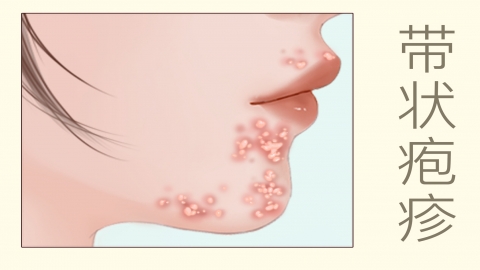
During the incubation period, before any rash develops, the virus remains dormant in the nerve ganglia and has not replicated extensively or been released onto the skin surface. Therefore, it generally cannot be transmitted to others through contact or respiratory droplets. At this stage, infected individuals often have no obvious symptoms, making detection difficult, and special isolation measures are typically unnecessary.
Once the incubation period ends and skin symptoms such as redness and blisters appear, the virus can be shed from the body through blister fluid. Close contact with others at this stage—especially contact with the blister fluid—may lead to transmission of the varicella-zoster virus, potentially causing chickenpox or latent infection in the exposed person. In such cases, it's important to avoid close contact with individuals who have weakened immune systems, such as infants and pregnant women.
In daily life, maintain clean and dry skin, and avoid scratching the affected area to prevent blisters from rupturing. Maintain regular sleep patterns and a balanced diet to strengthen immunity and reduce the risk of viral reactivation. Promptly change clothing after rash onset, wash contaminated clothes separately, and expose them to sunlight to help reduce the risk of transmission.


