


Can you still get shingles if you had chickenpox as a child?
Dec 02, 2025
Source: Cainiu Health

Dr. Liu Wenmin
Introduction
After infection with the varicella virus, the virus is not completely cleared from the body but remains dormant in nerve ganglia. When immunity declines (such as due to excessive fatigue, aging, or chronic illness), the latent virus may reactivate and spread along nerves, causing herpes zoster. Patients develop blisters distributed along the affected nerves, accompanied by significant pain. The illness typically lasts 2–4 weeks.
Generally, even if a person had chickenpox during childhood, they can still develop shingles later in life. The virus may remain dormant in the body and reactivate under certain conditions to cause disease; however, individuals with strong immune systems may remain symptom-free. If there are concerns, it is advisable to consult a healthcare provider in advance. Detailed explanations are as follows:
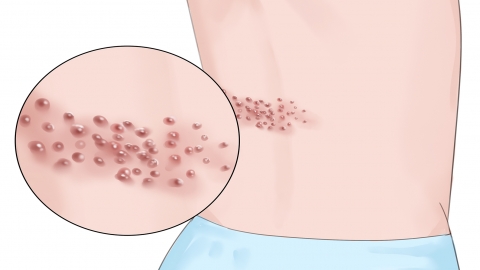
After infection with the varicella-zoster virus (which causes chickenpox), the virus is not completely eliminated from the body but instead remains dormant in nerve ganglia. When immunity declines—due to factors such as excessive fatigue, aging, or chronic illness—the latent virus may reactivate and spread along nerves, leading to shingles. Patients typically develop painful blisters distributed along the affected nerve pathway, with the illness usually lasting 2–4 weeks.
If a person maintains strong immunity after recovering from chickenpox, the immune system can effectively suppress viral activity. In such cases, the dormant virus may never reactivate, meaning these individuals may never develop shingles throughout their lives. Particularly among young, healthy individuals without immune deficiencies, the likelihood of viral reactivation and subsequent shingles is relatively low.
In daily life, it's important to maintain regular sleep patterns and a balanced diet to strengthen the immune system. If you experience pain or blisters following a nerve distribution pattern, seek medical attention promptly. For older adults or those with weakened immunity, consult your doctor about whether receiving the shingles vaccine is recommended to reduce the risk of developing the disease.


