


The benefits and drawbacks of nasal irrigation
Dec 01, 2025
Source: Cainiu Health

Dr. Lu Cheng
Introduction
Benefits of nasal irrigation include cleaning foreign substances from the nasal cavity, relieving nasal congestion, reducing nasal mucosal inflammation, thinning thick secretions, and decreasing allergen irritation. Potential drawbacks include damage to the nasal mucosa, ear discomfort, choking or coughing, disruption of the nasal microbiome, and worsening of infections; therefore, proper technique is essential to minimize risks. If persistent pain, bleeding, or worsening symptoms occur after nasal irrigation, prompt medical attention is recommended.
Benefits of nasal irrigation include removing foreign substances from the nasal cavity, relieving nasal congestion, reducing nasal mucosal inflammation, thinning thick secretions, and minimizing allergen irritation. Potential drawbacks include damage to the nasal mucosa, ear discomfort, choking or coughing, disruption of nasal microbiota, and increased risk of infection. Proper technique is essential to minimize risks. If persistent pain, bleeding, or worsening symptoms occur after nasal irrigation, prompt medical attention is recommended.
I. Benefits of Nasal Irrigation
1. Removes nasal foreign substances: Rinsing the nasal cavity with water helps eliminate dust, particles, and other impurities from the air, reducing irritation to the nasal mucosa and maintaining a clean, clear nasal passage.
2. Relieves nasal congestion: Helps loosen and thin nasal secretions and mucus, making them easier to expel, thereby quickly improving stuffiness—especially beneficial for congestion caused by rhinitis or the common cold.
3. Reduces nasal mucosal inflammation: The rinse removes inflammatory mediators on the surface of the nasal mucosa, helping to reduce swelling and congestion, and alleviating symptoms such as nasal itching and sneezing associated with rhinitis.
4. Thins viscous secretions: For conditions like sinusitis that produce thick, purulent mucus, irrigation helps reduce viscosity and promotes drainage, decreasing the risk of secondary infection due to mucus buildup.
5. Reduces allergen exposure: Rinsing clears allergens such as pollen and dust mites adhered to the nasal lining, lowering the likelihood of allergic reactions and aiding in the management of allergic rhinitis symptoms.
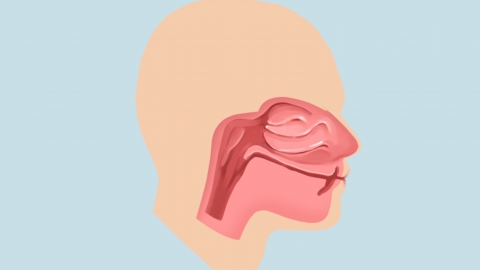
II. Risks of Nasal Irrigation
1. Damages nasal mucosa: Excessive water pressure or inappropriate solution temperature can irritate or injure the delicate nasal lining, leading to nosebleeds or pain—especially risky if the nasal cavity is already damaged.
2. Causes ear discomfort: Excessive pressure during rinsing may force fluid through the Eustachian tube into the middle ear, causing ear fullness, ear pain, or even otitis media. Extra caution is needed in children.
3. Triggers coughing or choking: Incorrect technique—such as improper head positioning or overly rapid flow—may cause the irrigation solution to enter the airway, resulting in severe coughing or, in serious cases, breathing difficulties.
4. Disrupts nasal microbiota: Overuse or excessive frequency of nasal irrigation may wash away beneficial bacteria in the nasal cavity, weakening its natural defense mechanisms and increasing susceptibility to infection.
5. Worsens infection: Using contaminated irrigation solutions or equipment may introduce bacteria or fungi into the nasal passages, leading to secondary infections and exacerbating existing inflammation.
Nasal irrigation should be performed using dedicated saline and sterile water, with careful control of water pressure and temperature. A temperature of 35–37°C is ideal for adults, and irrigation should be limited to once or twice daily. Choose appropriate irrigation devices, lean your head slightly forward during use, avoid excessively forceful flow, and follow proper procedures to ensure safe and effective results.



