Why should zinc gluconate be supplemented for seborrheic alopecia?
Dec 01, 2025
Source: Cainiu Health

Dr. Liu Wenmin
Introduction
Supplementing with zinc gluconate for seborrheic alopecia addresses core factors including inhibiting excessive sebum secretion on the scalp, regulating hair follicle metabolism and growth cycle, improving the scalp microenvironment, reducing inflammatory responses, and supporting nutrient absorption. If hair loss is accompanied by severe scalp oiliness, itching, or continuously increasing hair shedding, prompt medical consultation is recommended to determine an accurate diagnosis and treatment plan.
Supplementing with glabrate zinc for seborrheic alopecia addresses core issues such as inhibiting excessive sebum secretion on the scalp, regulating hair follicle metabolism and growth cycle, improving the scalp microenvironment, reducing inflammatory responses, and enhancing nutrient absorption. If hair loss is accompanied by severe scalp oiliness, itching, or continuously increasing shedding, it is advisable to seek medical consultation promptly for an accurate diagnosis and treatment plan.
1. Inhibits excessive sebum secretion on the scalp: The zinc component in glabrate zinc helps regulate sebaceous gland function, reducing sebum production. This prevents the accumulation of scalp oils that can clog hair follicles, thereby alleviating the oily scalp commonly associated with seborrheic alopecia.
2. Regulates hair follicle metabolism and growth cycle: Zinc is an essential trace element for normal hair follicle development. It participates in hair follicle cell division and repair, prolongs the anagen (growth) phase, reduces telogen (resting phase) shedding, and supports the maintenance of normal hair follicle physiological functions.
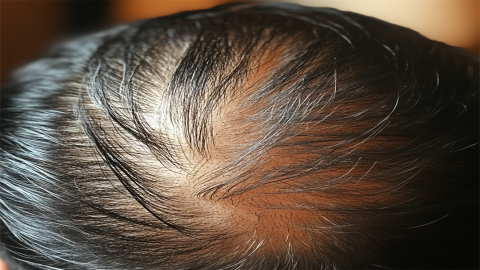
3. Improves the scalp microenvironment: Zinc has mild antibacterial properties that help suppress the overgrowth of harmful microorganisms on the scalp surface. By reducing microbial irritation to hair follicles, it helps restore microbial balance on the scalp and creates a healthier environment for hair growth.
4. Reduces inflammatory response: Seborrheic alopecia is often accompanied by mild scalp inflammation. Zinc helps inhibit the release of inflammatory mediators, alleviating symptoms such as redness, swelling, and itching. This reduces inflammation-induced damage to hair follicles and slows the progression of hair loss.
5. Supports nutrient absorption: Glabrate zinc enhances the scalp’s absorption and utilization of nutrients such as proteins and vitamins, providing adequate nutritional support to hair follicles. This strengthens follicle vitality, improves hair quality, and reduces fine, brittle, or easily shed hair.
For daily care, maintain scalp cleanliness using a gentle, oil-controlling shampoo with regular but not excessive washing—avoid over-cleansing or frequent chemical treatments like perming and dyeing. Incorporate a balanced diet rich in high-quality protein, B vitamins, nuts, and other zinc-rich foods. Maintain regular sleep patterns, avoid staying up late, reduce intake of high-sugar and high-fat foods, and practice moderate scalp massage to promote blood circulation.