Why does herpes on the lips worsen after applying acyclovir, and what should be done?
Dec 01, 2025
Source: Cainiu Health

Dr. Liu Wenmin
Introduction
Applying acyclovir to oral herpes may worsen symptoms, possibly due to improper timing of medication, incorrect application method, drug allergy, concurrent bacterial infection, or misdiagnosis of non-herpetic stomatitis. Improvement can be achieved by adjusting medication, daily care, or alternative treatments based on the specific situation. Maintain good oral hygiene and rinse your mouth promptly after meals; avoid consuming spicy or irritating foods.
Applying acyclovir to cold sores may worsen symptoms due to improper timing of medication, incorrect application method, drug allergy, secondary bacterial infection, or misdiagnosis of non-herpetic stomatitis. Improvement can be achieved by adjusting medication, daily care, and appropriate treatment based on specific circumstances. Detailed analysis is as follows:
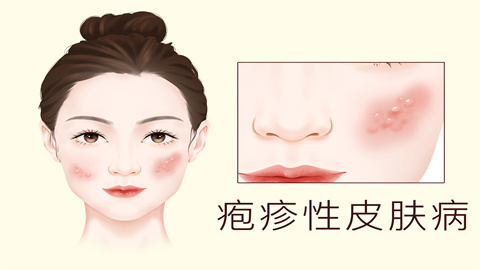
1. Improper Timing of Medication
If the herpes outbreak has lasted more than 72 hours, viral replication enters its peak phase, making topical acyclovir alone insufficient to control the condition, which may lead to worsening symptoms. It is essential to start treatment as early as possible after onset. If the optimal window is missed, combine topical use with oral antiviral medications and keep the affected area clean and dry.
2. Incorrect Application Method
Failing to clean the affected area before application, using insufficient dosage, or not applying frequently enough can prevent effective drug penetration, allowing continued viral replication. Clean the lesion with normal saline before applying the medication, then apply adequately and frequently (as directed in the instructions) each day. Wash hands after each application.
3. Drug Allergy
Some individuals may be allergic to acyclovir, leading to localized allergic reactions such as increased redness, swelling, and itching upon contact. Discontinue acyclovir immediately, wash off any residue with water, and under medical guidance take antihistamines such as cetirizine hydrochloride tablets, loratadine syrup, or ebastine tablets.
4. Secondary Bacterial Infection
After blister rupture, inadequate care may result in secondary infection (e.g., by Staphylococcus aureus), which cannot be controlled by antiviral therapy alone. Follow a doctor’s advice to apply mupirocin ointment or fusidic acid cream topically, take oral cefixime dispersible tablets, and avoid touching the affected area with hands.
5. Misdiagnosis of Non-Herpetic Stomatitis
Conditions such as contact stomatitis or ulcerative stomatitis may be mistakenly diagnosed as herpes, leading to inappropriate use of acyclovir and subsequent worsening of inflammation. Seek medical evaluation for accurate diagnosis. For contact stomatitis, topical tacrolimus ointment may be used; for ulcerative stomatitis, use cytidine iodide lozenges and take vitamin B2 tablets orally.
Maintain good oral hygiene by rinsing mouth promptly after meals; avoid spicy and irritating foods to reduce mucosal irritation; maintain regular sleep patterns to boost immunity and lower the risk of herpes recurrence. If symptoms worsen after medication, discontinue use immediately and consult a doctor to adjust the treatment plan.