


What causes yellow, dry, and matted underarm hair, and what should be done about it?
Dec 01, 2025
Source: Cainiu Health

Dr. Li Feng
Introduction
Yellowish, dry, and matted underarm hair may result from inadequate hygiene, malnutrition, trichomycosis axillaris, seborrheic dermatitis, or hyperhidrosis with bacterial infection. Improvement can be achieved through appropriate daily care or medical treatment depending on the specific cause. Maintain good underarm hygiene, wear loose and breathable clothing, and follow a regular, balanced diet to ensure adequate nutrition.
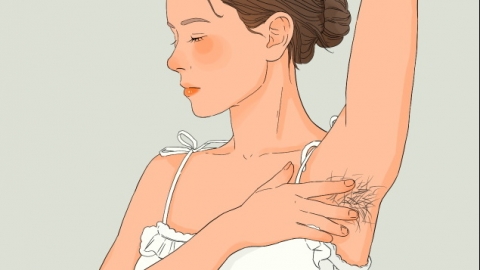
Yellowing, dryness, and presence of adherent substances on underarm hair may result from inadequate hygiene, malnutrition, trichomycosis axillaris, seborrheic dermatitis, or hyperhidrosis with bacterial infection. Appropriate management strategies such as daily care or medical treatment can be selected based on specific conditions. Detailed analysis is as follows:
1. Inadequate Cleansing
The armpit area tends to sweat heavily and has many skin folds, where sweat and sebum can mix with dirt and adhere to underarm hair. Prolonged insufficient cleaning leads to yellowing and dryness of the hair. Wash the armpits daily with lukewarm water and shower gel, gently massaging the base of the underarm hair. After washing, thoroughly dry the area to keep it clean and dry.
2. Malnutrition
Lack of essential nutrients such as protein and B vitamins deprives underarm hair of necessary support for healthy growth, leading to dryness and discoloration. Adjust dietary habits by consuming more protein-rich foods like eggs and lean meat, and increase intake of vitamin-rich foods such as spinach and oranges. Avoid picky eating.
3. Trichomycosis Axillaris
Infection of underarm hair by *Corynebacterium tenue* breaks down sebum and produces yellow, nodular deposits on the hair shafts, causing damage and dryness. Under medical guidance, topical clindamycin gel or erythromycin ointment may be applied, along with oral doxycycline tablets. Infected hairs should be shaved off and clothing disinfected.
4. Seborrheic Dermatitis
Overactive sebaceous glands in the armpits combined with *Malassezia* fungal infection cause inflammatory reactions. Coagulated sebum adheres to underarm hair, resulting in dryness and yellowing. As directed by a physician, apply topical ketoconazole cream or miconazole cream, take oral vitamin B6 supplements, and reduce consumption of spicy and greasy foods.
5. Hyperhidrosis with Bacterial Infection
Excessive sweating due to overactive sweat glands creates a moist environment conducive to bacterial growth. Bacterial metabolic byproducts adhere to underarm hair and corrode the hair shaft, leading to pathological changes. Under medical supervision, topical agents such as aluminum chloride solution or hexamethonium solution may be used, along with oral bropamin tablets. In severe cases, endoscopic thoracic sympathectomy may be considered.
Maintain good armpit hygiene in daily life; wear loose, breathable clothing; follow a balanced diet to ensure adequate nutrition; promptly wipe away sweat and change clothes after perspiring to minimize bacterial proliferation. Seek timely medical evaluation and proper treatment if symptoms persist or worsen.





