What causes numerous small bumps on the front of the chest and back, and what should be done about it?
Dec 01, 2025
Source: Cainiu Health

Dr. Liu Wenmin
Introduction
In general, the appearance of numerous small bumps on the chest and back may be caused by excessive sebum production leading to clogged pores, incomplete cleansing with residual dirt, bacterial folliculitis, common acne, or seborrheic dermatitis. It is recommended to seek medical attention promptly, identify the underlying cause, and then improve the condition under a doctor's guidance through general measures, medication, or other treatments.
Generally, the appearance of numerous small bumps on the chest and back may be caused by excessive sebum production leading to clogged pores, incomplete cleansing with residual dirt, bacterial folliculitis, common acne, or seborrheic dermatitis. It is recommended to seek medical advice promptly, identify the underlying cause, and follow a doctor's guidance for improvement through general care, medication, or other treatments. Specific causes are analyzed as follows:
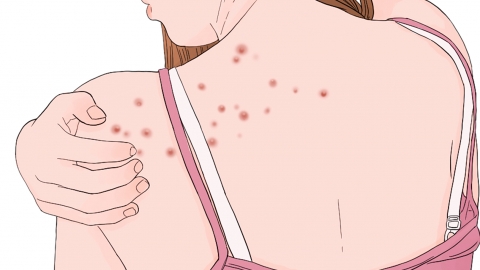
1. Excessive sebum production and clogged pores: The chest and back have a high concentration of sebaceous glands. During puberty or hormonal fluctuations, increased sebum secretion can easily block hair follicles and form small bumps. Use oil-controlling body washes, gently exfoliate with a mild scrub once or twice a week to remove dead skin cells, wear breathable, sweat-absorbing cotton clothing, and avoid synthetic fabrics that trap sweat.
2. Incomplete cleansing and residual dirt: Neglecting proper cleaning of the chest and back during showers allows sweat, dust, and sebum to mix and accumulate, clogging pores and causing bumps. Use a shower sponge with lukewarm water to thoroughly cleanse these areas. Shower within one hour after exercise to prevent prolonged sweat exposure on the skin.
3. Bacterial folliculitis: Infection of hair follicles by *Staphylococcus aureus* causes inflammation and red bumps, sometimes accompanied by mild pain. Follow medical advice to apply topical medications such as mupirocin ointment, fusidic acid cream, or compound polymyxin B ointment. Avoid scratching or squeezing to prevent spreading the infection.
4. Common acne (acne vulgaris): Hair follicles become infected with *Cutibacterium acnes*, blocking sebum drainage and forming bumps that may develop into comedones or inflammatory papules. Use medications such as adapalene gel, clindamycin phosphate gel, or benzoyl peroxide gel as directed by a physician. Keep bathwater temperature below 38°C to avoid skin irritation.
5. Seborrheic dermatitis: Abnormal sebaceous gland activity triggers inflammation, resulting in light red bumps accompanied by mild itching and flaking. Under medical supervision, use antifungal shampoos like ketoconazole shampoo, topical tacrolimus ointment, or oral vitamin B6 supplements. Reduce intake of high-sugar and high-fat foods to decrease sebum production.
Maintain a regular sleep schedule and avoid staying up late, which can worsen sebum secretion. Eat a light diet rich in vitamins—such as spinach and oranges—and minimize spicy or irritating foods. Wear loose-fitting sleepwear at night to reduce pressure and friction on affected areas. Comprehensive self-care practices can help resolve these bumps effectively.