What causes patchy white, flaky skin on the arms, and how should it be treated?
Dec 01, 2025
Source: Cainiu Health

Dr. Liu Wenmin
Introduction
In general, patchy white peeling skin on the arms may be caused by dryness and dehydration, friction-induced irritation or damage, xerosis (dry eczema), tinea corporis (fungal infection), psoriasis, or other conditions. It is recommended to seek medical attention promptly, identify the underlying cause, and then improve the condition under a doctor's guidance through general management, medication, or other treatments. In daily life, avoid frequent use of exfoliating products and minimize skin irritation.
White, flaky patches on the arms are usually caused by factors such as dry or dehydrated skin, friction-induced irritation and damage, xerosis (dry eczema), tinea corporis (ringworm), or psoriasis. It is recommended to seek timely medical attention to determine the underlying cause, followed by appropriate management under a doctor's guidance through general care measures, medication, or other treatments. A detailed analysis is as follows:
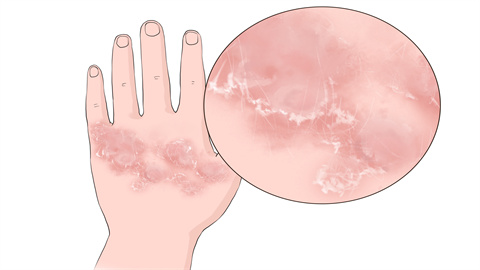
1. Dry and Dehydrated Skin: In dry climates or when fluid intake is insufficient, the skin on the arms loses moisture quickly, causing the stratum corneum to dry out and shed, forming white flakes. After washing the arms with lukewarm water daily, immediately apply urea vitamin E cream to lock in moisture. Use a humidifier indoors to maintain ambient humidity, and ensure daily water intake of at least 1500 mL.
2. Friction and Irritation Damage: Wearing rough clothing or frequently rubbing the arms can damage the skin barrier, leading to epidermal peeling and flaking. Switch to loose, soft cotton clothing, avoid wearing tight accessories, minimize skin friction on the arms, gently massage during cleansing using the fingertips, and avoid using coarse towels.
3. Xerosis (Dry Eczema): Reduced sebum production leads to skin inflammation, presenting as white scaling, dryness, tightness, and mild itching. Patients should use medications as directed by a physician, such as calamine lotion, hydrocortisone butyrate cream, or desonide cream. Keep bathwater temperature below 37°C and avoid excessive cleansing.
4. Tinea Corporis (Ringworm): A fungal infection of the arm skin that forms ring-shaped red patches with clear borders and central white scaling. Patients should use antifungal medications as prescribed, such as bifonazole cream, terbinafine hydrochloride cream, or itraconazole capsules. Avoid sharing towels with others and keep the skin dry and well-ventilated.
5. Psoriasis: Immune dysfunction causes excessive proliferation of the skin’s keratinocytes, resulting in well-demarcated red plaques on the arms covered with silvery-white scales. Treatment may include topical agents such as calcipotriol ointment or tacrolimus ointment, oral acitretin capsules, or narrowband medium-wave ultraviolet (NB-UVB) phototherapy, all used under medical supervision to inhibit keratinocyte overgrowth.
In daily life, avoid frequent use of exfoliating products to reduce skin irritation. Eat foods rich in vitamin A, such as carrots and animal liver, and consume fresh fruits and vegetables to boost vitamin C intake. When outdoors, practice sun protection to prevent UV radiation from worsening skin damage and support skin recovery.