


What causes a lump to develop at the toe joint, and what should be done about it?
Dec 01, 2025
Source: Cainiu Health

Dr. Liu Wenmin
Introduction
In general, a lump on the toe joint may be caused by factors such as shoe pressure and friction, local hematoma due to trauma, ganglion cyst, gouty arthritis, or infected sebaceous cyst. It is recommended to seek medical attention promptly, identify the underlying cause, and then improve the condition under a doctor's guidance through conservative management, medication, or other treatments. Daily care should include keeping the toes clean and dry and wearing properly fitting shoes.
Generally, a lump appearing on the toe joint may be caused by shoe pressure and friction, local hematoma due to trauma, ganglion cyst, gouty arthritis, or infected sebaceous cyst. It is recommended to seek medical attention promptly, identify the underlying cause, and then improve the condition through general care, medication, or other treatments under a doctor's guidance. Specific analyses are as follows:
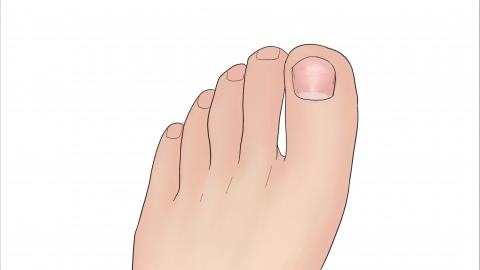
1. Shoe pressure and friction: Wearing tight shoes or high heels for prolonged periods can continuously compress and rub the toe joints, causing local tissue hyperplasia and forming a lump accompanied by a sensation of soreness and swelling. Immediately switch to loose, breathable athletic shoes to reduce pressure on the toes. Soak feet in warm water for 15 minutes each night to promote local blood circulation and reduce swelling.
2. Local hematoma due to trauma: After the toe has been struck or injured, capillaries rupture and bleed, leading to blood accumulation that forms a raised lump, often accompanied by pain and bruising. Within the first 48 hours after injury, apply ice packs to control bleeding; after 48 hours, switch to warm compresses with a heated towel. Elevate the affected limb above heart level to minimize worsening swelling.
3. Ganglion cyst: Excess fluid accumulates within the tendon sheath at the toe joint, forming a firm, cyst-like lump, which may cause mild pain when pressed. Follow medical advice to apply topical medications such as diclofenac diethylamine gel, ibuprofen gel, or ketoprofen gel. Avoid prolonged standing, and gentle massage may help promote fluid absorption.
4. Gouty arthritis: Abnormal uric acid metabolism leads to deposition of uric acid crystals in the toe joints, resulting in a red, swollen, hot, and painful lump with severe discomfort. Follow medical instructions to take oral medications such as colchicine tablets, febuxostat tablets, or benzbromarone tablets. Avoid high-purine foods such as animal offal and seafood, and drink plenty of water to promote uric acid excretion.
5. Infected sebaceous cyst: A blocked sebaceous gland duct on the toe skin forms a cyst, which becomes infected and develops into a red, swollen, and painful lump. In the early stage of infection, follow medical advice to take oral antibiotics such as cefuroxime axetil tablets, amoxicillin capsules, or roxithromycin dispersible tablets. If an abscess forms, incision and drainage surgery is required to remove pus and promote healing.
Maintain clean and dry toes in daily life. Choose properly fitting footwear and avoid wearing overly tight or hard shoes and socks. Eat a light diet rich in fresh fruits and vegetables containing vitamins, manage body weight, and perform appropriate foot stretching exercises to maintain healthy toe joint function.




