


What causes a patch of skin on the finger to become extremely itchy, and what should be done about it?
Dec 01, 2025
Source: Cainiu Health

Dr. Liu Wenmin
Introduction
In general, intense itching on a specific area of skin on the finger may be caused by contact with irritants, dry and dehydrated skin, dyshidrotic eczema, tinea manuum (fungal infection), or chronic eczema. It is recommended to seek medical attention promptly, identify the underlying cause, and then improve the condition under a doctor's guidance through general management, medication, or other treatments. In daily life, maintain cleanliness of the fingers and avoid frequent contact with allergenic substances such as metals and dyes.
Generally, localized itching on the skin of a finger may be caused by contact with irritants, dry and dehydrated skin, dyshidrotic eczema (pompholyx), tinea manuum (fungal infection of the hand), or chronic eczema. It is recommended to seek medical attention promptly, identify the underlying cause, and under a doctor's guidance, improve symptoms through general management, medication, and other approaches. Specific analyses are as follows:
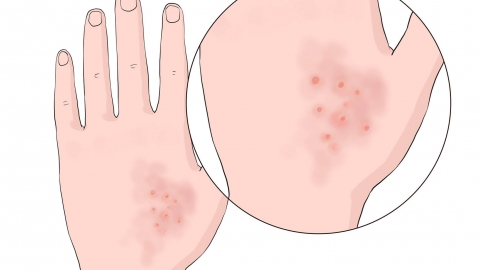
1. Contact with irritants: Frequent exposure to chemical products such as detergents or disinfectants can damage the skin barrier and cause itching. Wear waterproof gloves when doing household chores, wash hands immediately with lukewarm water after contact with irritants, and apply fragrance-free hand cream to reduce direct exposure to irritating substances.
2. Dry and dehydrated skin: In dry seasons such as autumn and winter, or due to frequent handwashing, moisture loss from the skin of the fingers can lead to rough, itchy stratum corneum. Wash hands with water around 37°C, avoid using soap-based cleansers, and apply glycerin-containing hand cream immediately after washing. For nighttime care, apply a thick layer of moisturizer and wear cotton gloves to enhance hydration.
3. Dyshidrotic eczema: Small, deep-seated blisters may appear on fingers (often associated with sweaty hands and feet or allergen exposure), accompanied by significant itching. Follow medical advice to use topical treatments such as calamine lotion, mometasone furoate cream, or hydrocortisone butyrate cream. Avoid scratching the blisters, keep fingers dry and well-ventilated, and reduce intake of spicy foods.
4. Tinea manuum: A fungal infection of the finger skin that initially presents as red papules or patches, gradually progressing to scaling and itching; this condition is contagious. Topical antifungal creams such as bifonazole, terbinafine hydrochloride, or clotrimazole should be used as prescribed. Oral antifungals like itraconazole capsules may also be required. Avoid sharing towels or gloves with others to prevent transmission.
5. Chronic eczema: Repeated inflammation due to long-term friction or allergic reactions leads to thickened, rough skin on the fingers, with intense itching and a tendency to recur. As directed by a physician, take oral antihistamines such as cetirizine hydrochloride tablets, loratadine capsules, or ebastine tablets, and apply topical halometasone cream. Avoid washing with hot water and refrain from scratching affected areas.
In daily life, maintain clean fingers and minimize frequent contact with common allergens such as metals and dyes. Eat more foods rich in vitamin A and vitamin C, such as carrots and oranges. Choose loose, breathable clothing to reduce skin friction on the fingers, and promote healthy skin recovery through scientific skincare practices.






