


What causes a hard, painful lump that can discharge pus, and what should I do about it?
Dec 01, 2025
Source: Cainiu Health

Dr. Liu Wenmin
Introduction
A hard, painful lump that can discharge pus may result from poor local hygiene, friction or squeezing, follicular abscess, infected sebaceous cyst, early cellulitis, or similar causes. It is recommended to seek medical attention promptly, identify the underlying cause, and follow a doctor's guidance for improvement through general care, medication, or other treatments. In daily life, avoid spicy and irritating foods, and consume more fresh fruits and vegetables to supplement vitamins.
Generally, a painful and hard lump that can discharge pus may be caused by poor local hygiene, friction or squeezing, follicular abscess, infected sebaceous cyst, or early-stage cellulitis. It is recommended to seek timely medical attention, identify the underlying cause, and follow medical guidance for improvement through general care, medication, and other treatments. Specific analyses are as follows:
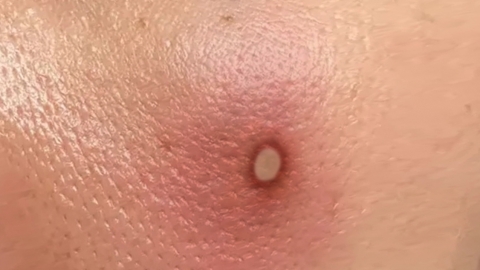
1. Poor local hygiene: Incomplete skin cleansing allows sweat and dirt to remain and clog pores, promoting bacterial growth (e.g., *Staphylococcus aureus*) and subsequent infection. Clean the affected area daily with warm water, gently wipe around the pus site with sterile cotton swabs dipped in normal saline, wear loose and breathable clothing, and change clothes frequently to reduce bacterial adherence.
2. Friction and pressure: Wearing tight clothing long-term or repeatedly pressing on the skin can compress hair follicles, leading to blockage, accumulation of secretions, and secondary infection forming pus-filled lumps. Stop squeezing immediately, switch to loose cotton clothing, avoid friction on the affected area, and use soft cushions when sitting to reduce local pressure.
3. Follicular abscess: After a hair follicle becomes infected, inflammation worsens and pus accumulates, forming a firm, painful lump from which pus can be expressed upon squeezing. Patients should follow medical advice to apply topical medications such as mupirocin ointment, fusidic acid cream, or compound polymyxin B ointment. Avoid self-squeezing to prevent spreading the infection.
4. Infected sebaceous cyst: Blockage of sebaceous gland ducts leads to cyst formation; bacterial invasion then causes purulent inflammation, resulting in a hard, painful lump. In the early stage of infection, patients should take oral antibiotics such as cefaclor capsules, amoxicillin-clavulanate potassium tablets, or roxithromycin capsules as directed by a physician to relieve symptoms.
5. Early-stage cellulitis: Skin infection spreads into subcutaneous tissues, initially presenting as a hard lump with pus formation. As the condition progresses, redness and swelling may expand. Patients should take medications such as penicillin V potassium tablets, cefuroxime axetil tablets, or levofloxacin tablets under medical supervision. If the lesion enlarges, debridement surgery may be required to remove necrotic tissue and control infection.
In daily life, avoid spicy and irritating foods, and consume more fresh fruits and vegetables to increase vitamin intake. Ensure adequate sleep to boost immunity. Use lukewarm water when bathing and avoid excessive heat that might irritate the affected area. Proper care and treatment can accelerate recovery, reduce the risk of complications.



