


Is litchi cold-natured or warm-natured?
Dec 09, 2025
Source: Cainiu Health

Dr. Sun Lianqing
Introduction
Traditional Chinese medicine considers lychee to be sweet and warm in nature, capable of nourishing qi and blood, promoting the production of body fluids, and relieving thirst. Its warming properties can help individuals with deficient-cold constitutions alleviate symptoms such as cold intolerance and fatigue. Moderate consumption offers certain health benefits, making lychee a common warming and tonifying fruit. However, excessive consumption by individuals with a heat-prone constitution may increase internal heat, leading to "heatiness" symptoms such as dry mouth, sore throat, and constipation.
Generally, lychee is considered a warm-natured fruit in traditional Chinese medicine and is suitable for individuals with cold constitutions to consume in moderation. However, those with hot constitutions or signs of internal heat should proceed with caution. If uncertain, it's advisable to choose lychee based on one's individual body constitution. Detailed analysis is as follows:
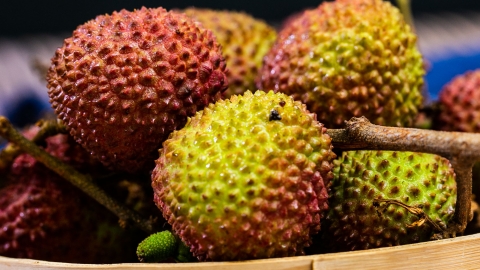
According to traditional Chinese medicine, lychee has a sweet taste and warm nature. It can nourish qi and blood, promote the production of body fluids, and relieve thirst. Its warming properties help individuals with cold constitutions alleviate symptoms such as aversion to cold and fatigue. Consuming lychee in moderation offers certain health benefits, making it a common warming and tonifying fruit.
Excessive consumption of lychee by individuals with hot constitutions may intensify internal heat, leading to "heatiness" symptoms such as dry mouth, sore throat, and constipation. Moreover, lychee contains high levels of sugar; overconsumption may increase digestive burden, and individuals with damp-heat constitutions may experience discomfort such as abdominal bloating and a sticky sensation.
To safely enjoy lychee, intake should be controlled to avoid excessive consumption at one time. Those with hot constitutions may pair lychee with cooling foods such as mung bean soup or winter melon. Eating lychee on an empty stomach may irritate the gastrointestinal tract, so it's recommended to consume it in moderation after meals. If signs of heatiness occur, discontinue consumption promptly and, if necessary, use dietary adjustments to alleviate symptoms.




