What to do about surgical site infection
Dec 01, 2025
Source: Cainiu Health

Dr. Liu Wenmin
Introduction
Measures for surgical site infections include timely medical evaluation, using antibiotics as prescribed, proper local wound care, keeping the wound clean and dry, and adjusting diet to support recovery.具体分析如下:及时就医评估:发现手术部位出现红肿、疼痛加剧、渗液或发热时,需立即前往医院就诊。
Specific analysis is as follows: Timely medical evaluation: If redness, swelling, increased pain, discharge, or fever occurs at the surgical site, immediate medical attention is required.
In general, surgical site infections can be managed through timely medical evaluation, using antimicrobial medications as prescribed, proper local wound care, keeping the wound clean and dry, and adjusting diet to support recovery. Specific measures are analyzed as follows:
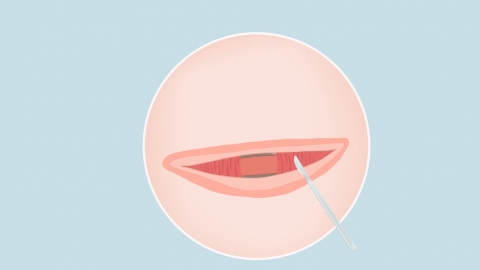
1. Timely medical evaluation: If redness, increased pain, discharge, or fever develops at the surgical site, seek immediate medical attention. The doctor will evaluate the extent of infection, determine whether deep tissue is involved, and develop an appropriate treatment plan accordingly.
2. Use antimicrobial medications as prescribed: Depending on the severity of infection, the doctor may prescribe oral or intravenous antimicrobial agents. These must be taken strictly according to the prescribed dosage and duration. Do not discontinue or adjust the dose without medical advice, to prevent recurrence of infection or development of drug resistance.
3. Proper local wound care: Change wound dressings regularly as directed by your healthcare provider. Maintain hand hygiene and use sterile techniques during dressing changes. If there is minor exudate, gently dab the area dry with sterile gauze—avoid vigorous wiping that could irritate the wound.
4. Keep the wound clean and dry: Avoid exposing the wound to contaminated water, sweat, or other pollutants. Use waterproof dressings when showering, and check after bathing whether the dressing has become wet. Replace it promptly if damp to prevent worsening of the infection.
5. Adjust diet to support healing: Increase intake of high-quality protein and vitamins in daily meals, such as lean meat, eggs, and fresh fruits and vegetables, to provide essential nutrients for tissue repair. Avoid spicy and greasy foods to reduce inflammatory responses and promote infection resolution.
Treatment of surgical site infections must strictly follow medical instructions; do not attempt self-treatment. Seek prompt follow-up if pain worsens, discharge increases, or fever persists. During recovery, ensure adequate rest and avoid strenuous activities to minimize tension on the wound and support optimal healing.