


What is syphilis?
Dec 02, 2025
Source: Cainiu Health

Dr. Liu Wenmin
Introduction
In general, syphilis is a chronic, systemic sexually transmitted disease caused by Treponema pallidum. After diagnosis, proper nursing care and supportive treatment are essential. Medication should be taken in full dosage and for the complete duration as prescribed, with regular follow-up tests to monitor serum indicators and track recovery progress. Sexual activity should be avoided during treatment, and sexual partners should undergo concurrent examination. Maintain cleanliness and dryness of the external genitalia, and change clothing frequently.
Generally, syphilis is a chronic, systemic sexually transmitted disease caused by *Treponema pallidum*, with specific details as follows:
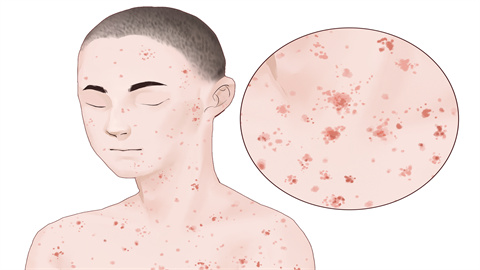
Syphilis is a chronic sexually transmitted infection caused by the spirochete *Treponema pallidum*, affecting the entire body and potentially persisting for years. This pathogen readily invades multiple organ systems. In its early stages, it causes symptoms such as hard chancres and skin rashes. If left untreated, it progressively damages the cardiovascular and nervous systems and can even be transmitted to the fetus via the placenta, leading to miscarriage or congenital syphilis. Transmission primarily occurs through sexual contact; infection can result when broken mucous membranes come into contact with infectious bodily fluids. In rare cases, it spreads indirectly through contaminated blood or shared personal items such as razors.
After diagnosis, proper care and supportive treatment are essential. Follow medical advice strictly, ensuring full dosage and complete course of medication, and undergo regular follow-up blood tests to monitor recovery. Avoid sexual activity during treatment, and sexual partners should be tested simultaneously. Maintain cleanliness and dryness of the external genital area, change clothes frequently, keep personal items separate, and disinfect them regularly. Eat a light, nutritious diet rich in fruits and vegetables to boost vitamin intake, and avoid smoking and alcohol. Ensure adequate sleep, engage in moderate exercise to strengthen immunity, and avoid anxiety, which may impair recovery.




