


How long does it take for symptoms of genital warts to appear in people with HIV?
Dec 02, 2025
Source: Cainiu Health

Dr. Liu Wenmin
Introduction
There is no fixed timeline for the onset of genital warts in individuals with HIV; it primarily depends on the timing of HPV infection and the individual's immune status. Those not infected with HPV will not develop related symptoms. If already infected with HPV, the virus may remain dormant for a long period when immune function is relatively preserved, but symptoms typically appear within several months to three years following immune decline. Avoid multiple sexual partners and consistently practice safe sex.
There is no fixed timeline for the onset of genital warts in individuals with HIV; it primarily depends on the timing of HPV infection and the individual's immune status. Those who have not been infected with HPV will not develop related symptoms. For those already infected with HPV, the virus may remain dormant for a long period if immune function is preserved, but symptoms typically appear within several months to three years after immune decline. A detailed analysis is as follows:
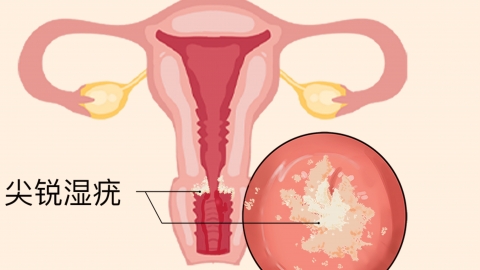
Genital warts are caused by HPV infection and are not directly associated with the HIV virus. However, HIV damages CD4+T cells, reducing the body’s ability to clear HPV. In patients with stable CD4 cell counts and controlled viral loads, HPV may remain latent for years without causing symptoms. In those with progressively declining immune function, latent HPV is more likely to be reactivated, and most individuals develop visible warts within 1 to 3 years after an AIDS diagnosis. Since both viruses share similar transmission routes, individuals engaging in high-risk behaviors may acquire both infections simultaneously. However, the appearance of symptoms depends on HPV infection and immune status, not on HIV itself.
Routine antiretroviral therapy should be strictly followed to maintain immune function. Regular HPV screening and genital examinations are recommended. Avoiding multiple sexual partners, practicing safe sex consistently, and receiving the HPV vaccine can significantly reduce the risk of infection.




