


Is it good for patients with chronic hepatitis to drink honey?
Dec 02, 2025
Source: Cainiu Health

Dr. Huang Yuhong
Introduction
For patients with chronic hepatitis who have stable liver function and no complications such as abnormal blood glucose or fatty liver, consuming a small amount of honey daily (no more than 1–2 teaspoons), diluted in warm water, is generally safe and unlikely to cause adverse effects. The monosaccharides in honey are easily absorbed and can provide energy, while the vitamins and minerals it contains offer nutritional support. As part of a balanced diet, honey is appropriate.
In general, it is acceptable for patients with chronic hepatitis to consume honey in moderation. However, excessive consumption or the presence of certain complications may make it inadvisable. If in doubt, individuals should consult a healthcare provider beforehand. The detailed analysis is as follows:
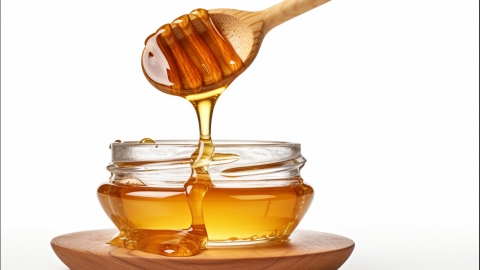
If a patient with chronic hepatitis has stable liver function and no complications such as abnormal blood glucose or fatty liver disease, consuming a small amount of honey daily (no more than 1–2 teaspoons), diluted in warm water, is generally safe. The monosaccharides in honey are easily absorbed and can provide energy, while its vitamins and minerals offer nutritional support. As part of a balanced diet, moderate honey intake is appropriate.
However, if a patient has comorbidities such as hyperglycemia, hepatogenous diabetes, or fatty liver disease, or tends to consume excessive amounts of honey, it is not recommended. Honey is extremely high in sugar, and its fructose content must be metabolized by the liver. Excessive intake may lead to fat accumulation in the liver, increasing hepatic burden. It may also cause blood glucose fluctuations, which could impair disease control and potentially accelerate the progression of liver fibrosis.
Before consuming honey, patients with chronic hepatitis should first assess their blood glucose levels and liver function status, strictly control the amount consumed, and avoid long-term, high-volume intake. Pure, additive-free honey is preferable. If any discomfort occurs after consumption, they should discontinue use immediately and seek medical advice.



