


How long is the HIV window period?
Dec 02, 2025
Source: Cainiu Health

Dr. Liu Wenmin
Introduction
The window period for HIV is not fixed and primarily depends on the testing method used. With standard antibody testing, it may take 3 to 12 weeks, while nucleic acid testing can shorten this period to 1 to 4 weeks. The appropriate testing time should be determined based on the type of test. After engaging in high-risk behavior, individuals should promptly clarify their testing needs and choose a reputable medical institution. Although test results may be negative during the window period, infected individuals can still transmit the virus, so consistent use of condoms is essential.
The window period for HIV is not fixed and primarily depends on the testing method used. With conventional antibody testing, the window period ranges from 3 to 12 weeks, while nucleic acid testing (NAT) can shorten this to 1–4 weeks. The appropriate testing time should be determined based on the type of test. Detailed analysis is as follows:
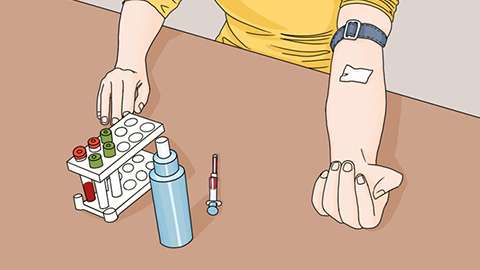
In the most commonly used antibody tests, the window period is 3–6 weeks with third-generation reagents, while fourth-generation reagents—incorporating antigen detection—can reduce the window period to 2–4 weeks. Most individuals will test positive with a fourth-generation test by four weeks after infection. If the result at four weeks is negative, retesting at 6–12 weeks is recommended for confirmation. Individual immune differences may affect the speed of antibody production; those with weakened immune systems might experience a slightly prolonged window period, but results are generally conclusive within 12 weeks.
Nucleic acid testing directly detects viral RNA and has the shortest window period, capable of detecting infection approximately one week after exposure. It offers high accuracy within 1–4 weeks. This method is suitable for early screening following high-risk behavior, enabling timely identification of infection. However, due to its higher cost, it is not typically used for routine screening and is usually reserved for emergency situations or supplemental testing.
After engaging in high-risk behavior, individuals should promptly assess their testing needs and seek services from qualified medical institutions. Although test results may still be negative during the window period, infected individuals can already be contagious; consistent use of condoms is essential to prevent transmission.







