


Can elevated alanine aminotransferase (ALT) levels return to normal?
Dec 02, 2025
Source: Cainiu Health

Dr. Huang Yuhong
Introduction
If the elevated level is caused by reversible factors such as short-term alcohol consumption, staying up late, or taking medications that damage the liver, and has not resulted in organic liver damage, liver function will gradually recover by promptly adjusting lifestyle habits—such as quitting alcohol, maintaining regular作息 (daily routines), and discontinuing the related drugs—combined with a light diet. In such cases, alanine aminotransferase (ALT) levels usually return to the normal range within 1 to 3 months.
Generally, elevated levels of alanine aminotransferase (ALT) caused by reversible factors can often improve, whereas elevations due to severe liver disease are more difficult to reverse. If concerned, it is advisable to seek medical consultation promptly. Detailed analysis is as follows:
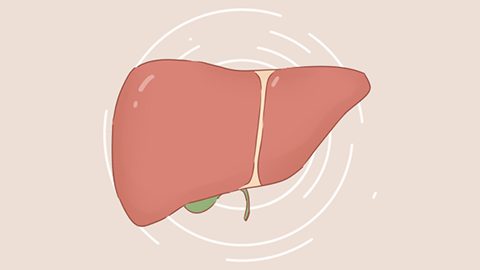
If the elevation is triggered by reversible factors such as short-term alcohol consumption, staying up late, or taking medications that cause liver damage—and no organic liver injury has occurred—liver function may gradually recover by promptly adjusting lifestyle habits. This includes quitting alcohol, maintaining regular sleep patterns, discontinuing the relevant medications, and adopting a light diet. In such cases, ALT levels typically return to the normal range within 1 to 3 months.
If the elevation results from serious liver conditions such as cirrhosis or chronic hepatitis, where fibrosis or hepatocellular necrosis and other organic changes have already developed, even with medication to control the disease, ALT levels may not fully normalize. Long-term treatment and monitoring are required, and some patients may experience persistently elevated ALT levels, indicating the need to guard against further disease progression.
Upon discovering elevated ALT levels, individuals should promptly identify and eliminate potential causes to prevent further liver damage; regularly retest liver function, and follow medical advice to adjust treatment or care plans accordingly. Immediate medical attention is necessary if symptoms such as fatigue or jaundice appear.




